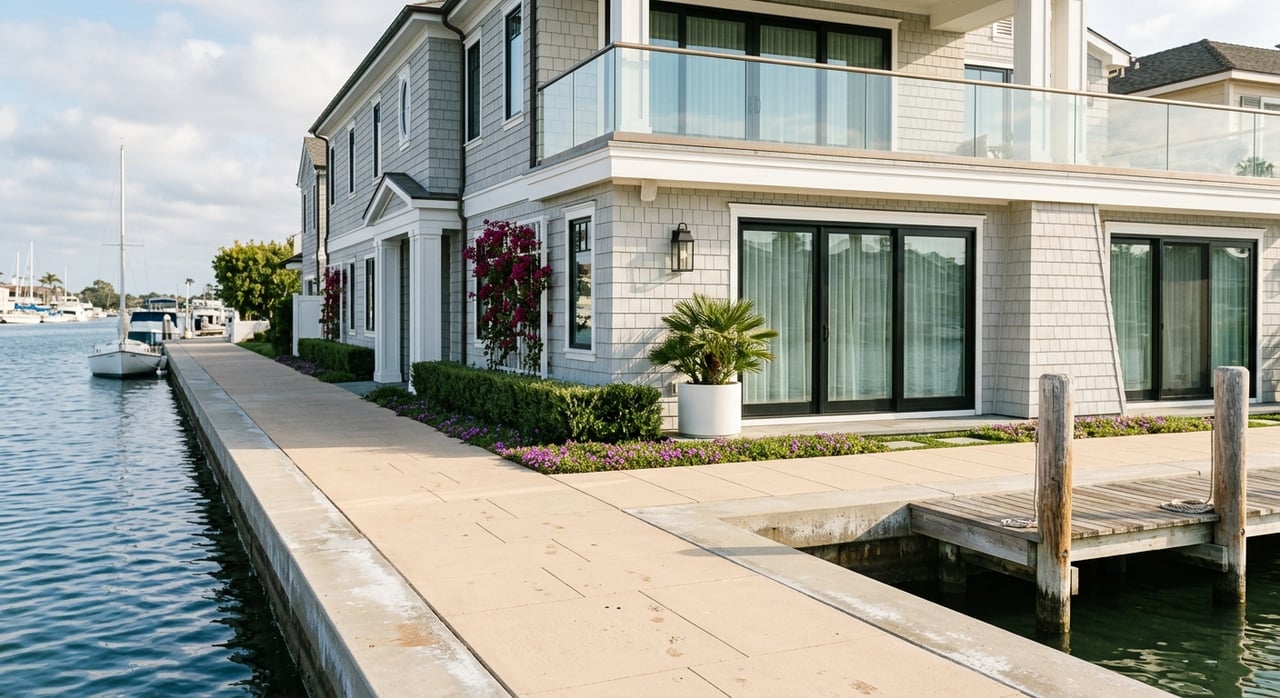
If you picture coastal living as a daily walk to the sand, a quick stop for coffee, and easy access to the harbor, Balboa Peninsula stands out for exactly that rhythm. On this narrow stretch of Newport Beach, the beach, bay, piers, and village core all sit close together, which makes everyday life feel connected and active. If you are considering a primary home, second home, or future sale on the peninsula, understanding how walkability works here can help you choose the right fit. Let’s dive in.
Why Balboa Peninsula Feels Walkable
Balboa Peninsula is a compact coastal strip of about three miles, bordered by Newport Harbor on one side and the Pacific Ocean on the other. That layout shapes how you move through the neighborhood. Instead of planning long drives for simple errands or leisure, many daily routines center around the waterfront, the piers, and Balboa Village.
This is one of the peninsula’s biggest lifestyle advantages. You can live in a setting where the public realm is part of everyday life, not just something you visit on weekends. For many buyers, that close connection to the water is what makes the area feel distinctly Newport Beach.
Waterfront Living Centers on the Piers
Two major landmarks help anchor the peninsula: Newport Pier and Balboa Pier. These areas are not just scenic backdrops. They function as practical gathering points for walks, beach access, dining, and meeting friends.
The city notes that both piers are open from 5 a.m. to midnight, with public restrooms at the base of each pier. Near Balboa Pier, you will also find public fire rings and barbecues available on a first-come, first-served basis. That means waterfront living here often includes simple, repeatable routines like morning walks, evening beach time, and casual outdoor gatherings.
Newport Beach lifeguards serve the area year-round across 6.2 miles of ocean beaches and 2.5 miles of bay beaches. On the peninsula, beach access is not tucked away or limited to a seasonal experience. It is woven into daily life.
The Boardwalk Supports Daily Movement
One of the clearest examples of walkable waterfront living is the peninsula’s oceanfront path system. The city’s walking-trail map identifies the Pier to Pier route as a 1.74-mile one-way paved path shared by pedestrians and bicycles.
That route connects major peninsula destinations and gives you a direct way to move along the waterfront without getting in a car. Newport Beach planning documents also describe more than 18 miles of pedestrian and bicycle trails citywide, including the oceanfront boardwalk and bayfront walkways that help handle high foot traffic.
For buyers, this matters because walkability is not just about distance. It is also about whether the route feels natural and usable. On Balboa Peninsula, the boardwalk and surrounding paths create a daily-use network that supports an active coastal lifestyle.
Balboa Village Adds Everyday Convenience
Balboa Village is one of the peninsula’s most important lifestyle hubs. It includes Balboa Pier, the Balboa Fun Zone, and the historic Balboa Pavilion, creating a concentrated waterfront district with dining, shops, and activity all within a compact area.
Visit Newport Beach describes Balboa Village as a destination for restaurants, family-friendly dining, water sports, historic sites, specialty boutiques, and stores. The neighborhood’s shopping mix includes practical stops as well, such as Balboa Pharmacy and Main Street Surf Shop. The city also lists Pavilions Balboa Peninsula on West Balboa Boulevard as a local market.
This concentration of amenities supports a car-light lifestyle. You may still drive for some needs, but many day-to-day outings can happen on foot. That is especially appealing if you value convenience without giving up a true waterfront setting.
Dining and Leisure Stay Close to Home
Walkability on the peninsula is not only about errands. It also shapes how you spend your free time. In Balboa Village and near the piers, dining and leisure options sit close together, which makes spontaneous plans easier.
Nearby examples named in local visitor materials include Harborside Restaurant in the historic Balboa Pavilion, Woody’s Wharf on Newport Harbor, Ruby’s Diner at Balboa Pier, Balboa Lily’s near the pier, and Balboa Candy a block from the beach and Fun Zone. Whether you are meeting guests, heading out for a casual meal, or ending a beach walk with dessert, the area supports that relaxed rhythm.
For second-home buyers in particular, this kind of proximity can be a major advantage. It helps a home feel like part of a complete lifestyle rather than a property that depends on driving everywhere.
Ferry and Trolley Make Local Trips Easier
Balboa Peninsula is best described as car-light, not car-free. That distinction matters. While many destinations are walkable, the area also benefits from local transportation options that reduce the need for short drives.
The Balboa Peninsula Trolley is free, wheelchair accessible, and designed to help reduce parking cruising. According to the city, it runs on summer weekends and select holidays and can be tracked in real time. For busy periods, that can make moving around the peninsula more convenient.
The Balboa Island Ferry adds another useful link. It provides a short crossing for pedestrians, bicyclists, and vehicles between the peninsula and Balboa Island. For buyers who value connected coastal living, the ferry is part of what gives this area its practical charm.
What Buyers Should Know About Parking
Walkability on Balboa Peninsula comes with tradeoffs, especially during peak visitor seasons. City planning documents note a seasonal influx of visitors, particularly on summer weekends. If you love energy, activity, and a lively waterfront atmosphere, that may feel like part of the appeal.
Still, it is important to understand the practical side. The city shows that the Balboa Pier lot has 614 spaces and is open 24/7, while most paid parking in Newport Beach is enforced daily from 8 a.m. to 6 p.m. Even with this infrastructure, local demand can increase substantially during busy periods.
That is why the peninsula often works best for buyers who are comfortable with an active coastal environment. The lifestyle is highly walkable, but it is also popular, public-facing, and seasonally busy.
Is Walkable Waterfront Living Right for You?
If you want a quiet, tucked-away coastal setting with minimal activity, some parts of the peninsula may feel more dynamic than expected. But if your ideal day includes walking to the beach, moving easily between bay and ocean, and enjoying local dining and harbor access without planning around long drives, Balboa Peninsula offers a compelling lifestyle.
Its appeal comes from how closely the essentials of coastal living sit together. The neighborhood’s geography, boardwalk, piers, village center, ferry, and seasonal trolley all support a pattern of life that feels easy, outdoors-oriented, and deeply tied to the water.
For buyers and owners in this micro-market, that lifestyle is also part of the long-term value story. On the Balboa Peninsula, walkability is not an extra feature. It is one of the defining reasons people want to be here.
If you are considering buying or selling on the waterfront, working with a local expert who understands the peninsula block by block can make all the difference. To explore opportunities with a discreet, relationship-driven approach, connect with Kim Bibb.
FAQs
What makes Balboa Peninsula walkable for everyday living?
- Balboa Peninsula’s roughly three-mile layout places the beach, harbor, piers, boardwalk, and Balboa Village close together, so many daily activities can happen within a compact waterfront area.
How long is the Pier to Pier path on Balboa Peninsula?
- The city identifies the Pier to Pier route as a 1.74-mile one-way paved path shared by pedestrians and bicycles.
What amenities are located in Balboa Village on Balboa Peninsula?
- Balboa Village includes waterfront dining, specialty shops, historic sites, the Balboa Fun Zone, the Balboa Pavilion, and nearby practical stops such as Balboa Pharmacy and the Pavilions market on West Balboa Boulevard.
How do the trolley and ferry help with Balboa Peninsula mobility?
- The free Balboa Peninsula Trolley runs on summer weekends and select holidays, and the Balboa Island Ferry provides a short connection for pedestrians, bicyclists, and vehicles.
What should buyers know about parking on Balboa Peninsula?
- Buyers should expect more activity during peak seasons, especially summer weekends. The Balboa Pier lot has 614 spaces and is open 24/7, but the area is still best suited to those who are comfortable with some seasonal congestion.
Is Balboa Peninsula car-free or car-light?
- Balboa Peninsula is best described as car-light. Many local destinations are walkable, but parking, driving, the trolley, and the ferry still play an important role in day-to-day mobility.