If you have ever stood on two Peninsula Point streets just minutes apart and thought they felt like two different worlds, you are not imagining it. At the tip of Newport Beach’s Balboa Peninsula, lot orientation can shape everything from morning light to afternoon breezes, privacy, and even how open a home feels day to day. If you are buying or selling in this micro-market, understanding orientation helps you judge value with more precision. Let’s dive in.
Why lot orientation matters on Peninsula Point
Peninsula Point sits at the end of the Balboa Peninsula, a narrow stretch of land with Newport Harbor on one side and sandy beach edges on the other. Local maps and civic sources show a compact street pattern with roads like Balboa Boulevard, Bay Avenue, Ocean Front, Seville Avenue, Channel Road, and L Street.
That layout creates a very different experience from a typical inland neighborhood. Here, orientation is not only about north, south, east, and west. It is also about whether your home faces open water, an interior street, neighboring roofs, or a more public edge near the beach and harbor.
For buyers, that can affect how a home lives. For sellers, it helps explain why two homes with similar size or finish level may attract very different levels of interest.
Peninsula Point layout shapes every lot
Because the peninsula is narrow, many homes sit close to powerful natural and public edges. Some lots are more exposed to open beach and ocean conditions. Others are positioned closer to the harbor and bay. Some are tucked farther into the interior street grid and feel more sheltered.
That means nearby homes can have very different combinations of light, breeze, openness, and privacy. A property near Ocean Front may have a very different feel than one only a few blocks away on an interior stretch, even if the architecture looks similar from the curb.
Public landmarks also shape this experience. City mapping places Peninsula Point near well-known access points and attractions such as Balboa Pier, the Balboa Island Ferry area, and West Jetty View Park, all of which can influence how active or open a particular location feels.
Sunlight changes how a home feels
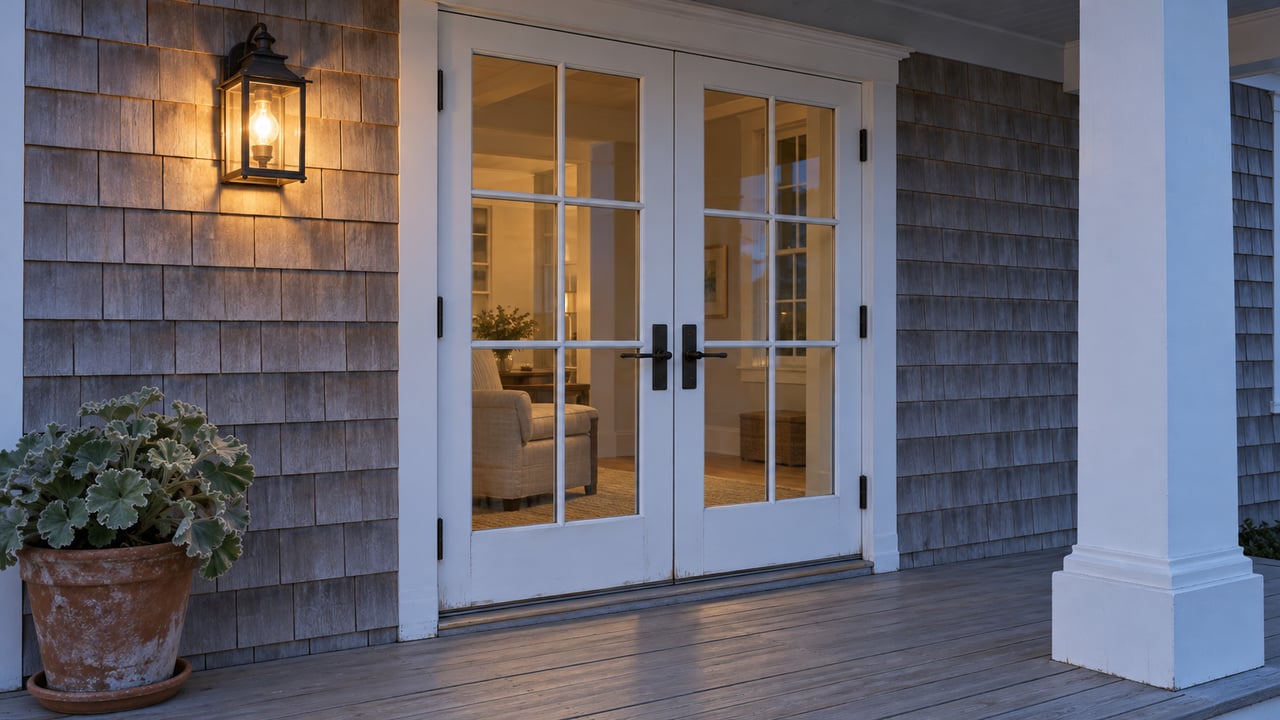
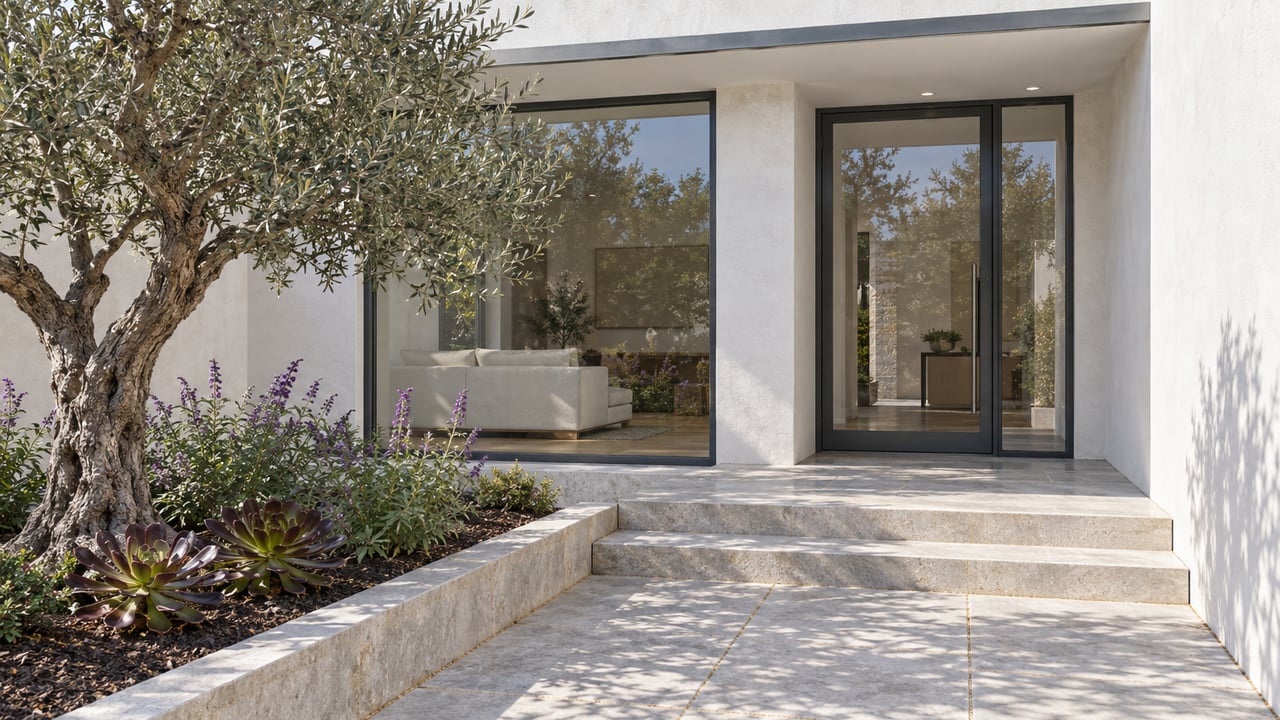
Light is one of the first things people notice when they walk into a home. The direction of the main glass exposure can affect brightness, glare, and comfort throughout the day.
According to the U.S. Department of Energy, south-facing windows receive the most winter sunlight. East-facing windows tend to bring in more morning light, while west-facing windows capture more evening light but can also create stronger glare and added summer heat gain.
On Peninsula Point, that guidance matters in a very practical way. A home with major living areas facing one direction may feel soft and bright early in the day, while another may feel calmer in the morning and more dramatic at sunset.
Because Newport Beach has a mild coastal climate, these light differences often matter more for comfort and daily experience than for extreme heating or cooling. NOAA climate normals for Newport Beach Harbor show an annual mean temperature of 62.8°F and annual precipitation of 9.43 inches.
Marine layer adds another layer
Coastal Southern California weather has its own rhythm. NOAA notes that the west coast marine layer is a persistent feature, which helps explain why some Peninsula Point mornings feel cooler, softer, or more overcast even when inland areas warm up faster.
For homeowners, this can subtly change the way orientation plays out. A lot that catches bright afternoon exposure may balance out a cooler morning pattern, while a home with more limited light may feel especially muted during cloudier starts to the day.
This is one reason orientation should be judged in person and at different times when possible. The same home can present very differently at 8 a.m. than it does late in the afternoon.
Breezes can help or challenge comfort
In Newport Beach, airflow is part of daily coastal living. A city-hosted environmental analysis describes the area’s dominant pattern as sea breezes during the day and offshore breezes at night.
On Peninsula Point, this can have a real impact on how a property lives. Depending on how a lot is positioned, a patio, great room, or bedroom may feel open and breezy in the afternoon, or more protected and sheltered from wind.
That difference does not always show up on a flyer or floor plan. It often becomes obvious only when you stand on the deck, open the doors, or spend time in the outdoor areas.
On a narrow peninsula, even a small shift in orientation can affect exposure to moving air and salt air. For some buyers, that breezy openness is part of the appeal. For others, a more shielded setting may feel better for everyday use.
Views are about more than frontage
On Peninsula Point, people often focus first on whether a home is oceanfront, bayfront, or interior. That is important, but orientation adds a second layer that can be just as meaningful.
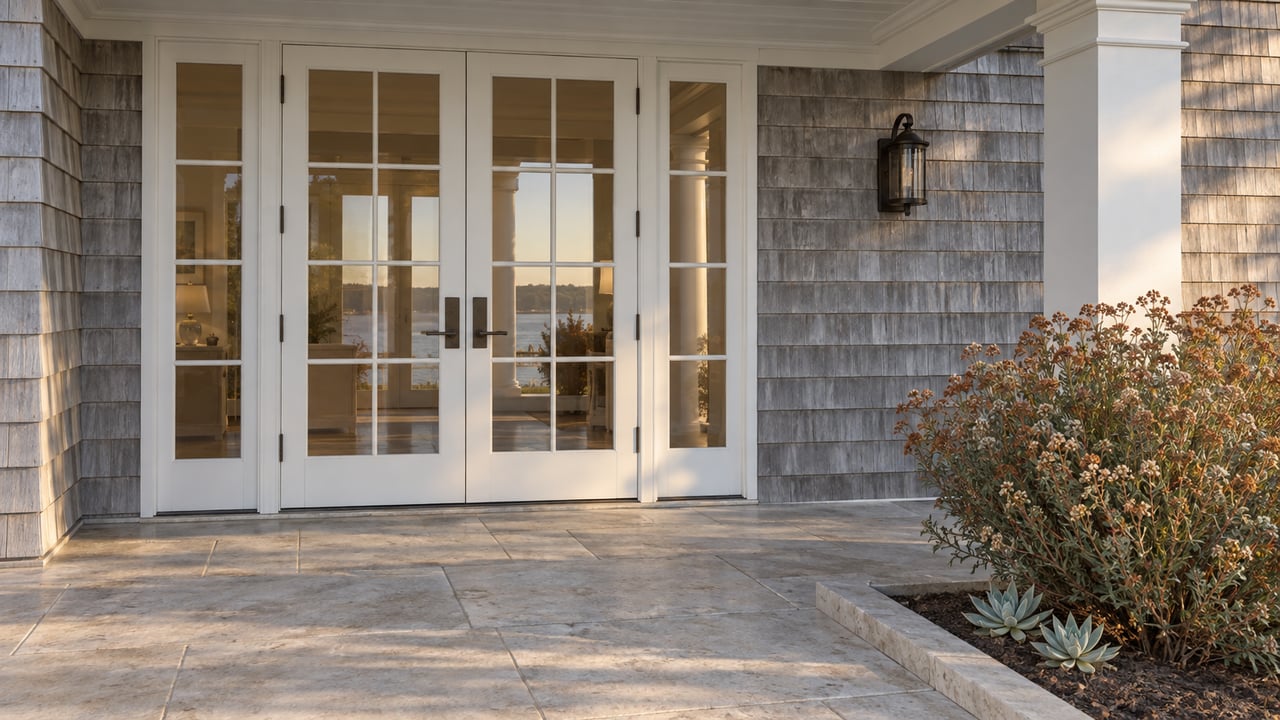
A home may have a direct sightline toward open water, a long view corridor, or a wide slice of sky that makes the property feel expansive. Another may be positioned toward nearby homes, side yards, or rooftop lines, which can create a more enclosed feel.
California Coastal Commission materials also emphasize protecting views to and along scenic coastal resources. In a location known for prominent bayfront and oceanfront homes near The Wedge, that context helps explain why sightlines carry so much weight in buyer perception.
The result is simple: two homes with similar square footage may offer very different visual experiences. On Peninsula Point, the view axis often matters as much as the room count.
Privacy often follows orientation
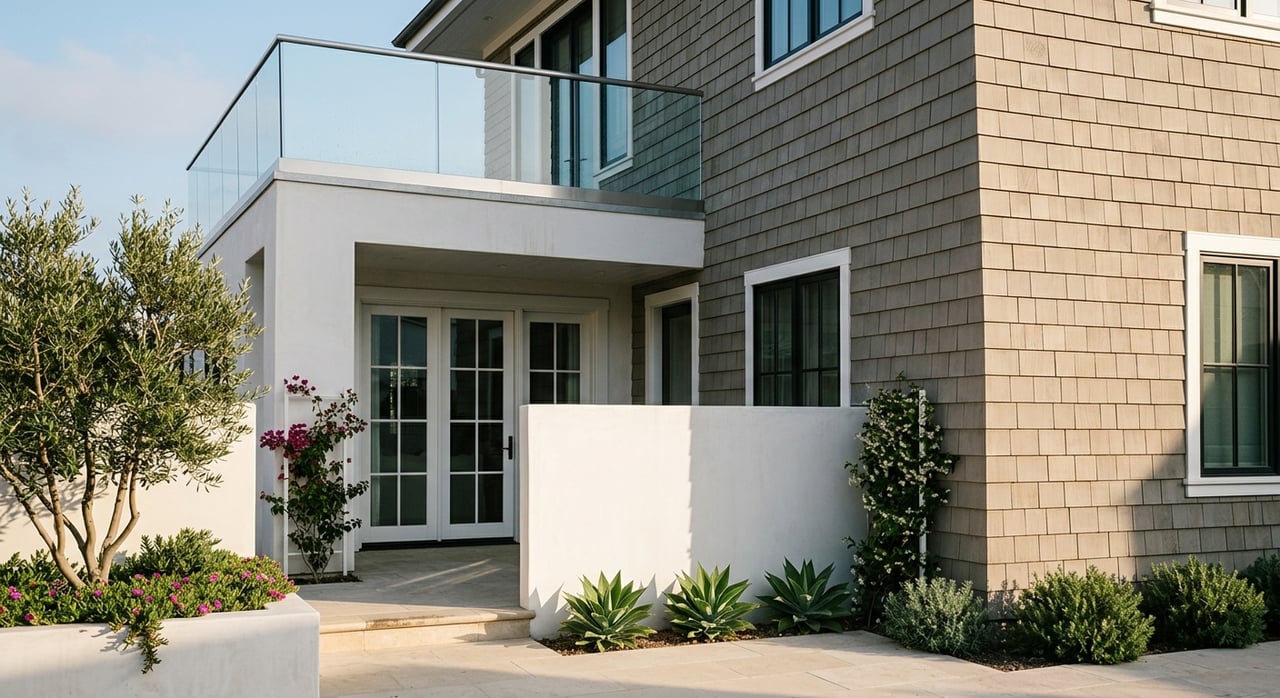
Privacy is another factor that can shift quickly from one block to the next. Homes near public-facing edges and landmark areas often feel more open to pass-by activity, while interior streets may feel calmer and more tucked away.
That is especially relevant near destinations such as Balboa Pier, the ferry area, West Jetty View Park, and the beach-side street network. Even if a property is only a short distance from those locations, its exact orientation can influence how visible the entry, deck, or front windows feel.
Nearby second-story windows and roof decks can also shape privacy. For buyers, that is worth noticing when evaluating outdoor living areas, primary suites, and entertaining spaces.
For sellers, privacy strengths should be positioned carefully because they can be a meaningful part of the home’s appeal. In this market, a quieter orientation can be just as valuable as a dramatic view, depending on the buyer.
What buyers should compare
If you are weighing multiple properties on Peninsula Point, compare how each home lives, not just how it looks online. A smart side-by-side review usually includes a few practical questions.
- Which rooms receive the main natural light?
- Does the home feel brightest in the morning, midday, or late afternoon?
- Do the main windows look toward open water, the harbor, neighboring homes, or an interior street?
- How exposed is the entry, deck, or patio to pedestrian activity?
- Does the home catch the afternoon breeze or feel more protected?
- Are nearby upper-level windows or roof decks affecting privacy?
These details can explain why one address feels brighter, quieter, or more comfortable than another nearby home. On Peninsula Point, small positioning differences can create a meaningful lifestyle gap.
What sellers should understand
If you own a home on Peninsula Point, lot orientation is part of your value story. It can influence how buyers respond emotionally to your home the moment they step inside.
A strong morning-light profile, a sheltered outdoor area, a long sightline, or a more private orientation can all help shape demand. In a luxury waterfront market, those qualities deserve thoughtful presentation and pricing strategy.
This is where hyperlocal judgment matters. Orientation is not a generic checklist item on Peninsula Point. It is a micro-market variable that needs to be interpreted in context, block by block and even house by house.
Whether you are preparing to sell or quietly exploring a purchase, understanding how orientation affects livability can lead to better decisions and a clearer sense of true value. If you would like a discreet, local perspective on how your property or target home compares within Peninsula Point, connect with Kim Bibb.
FAQs
What does lot orientation mean on Peninsula Point?
- On Peninsula Point, lot orientation refers to how a home is positioned in relation to sunlight, breezes, views, neighboring homes, and public-facing streets or waterfront edges.
Why does lot orientation affect Peninsula Point home value?
- Lot orientation can influence brightness, glare, privacy, airflow, and view corridors, all of which can shape buyer demand and how a home feels in daily use.
How do oceanfront and interior Peninsula Point lots differ?
- Oceanfront and edge locations often feel more open and public-facing, while interior lots may feel more sheltered and private depending on their exact position in the street grid.
How do breezes affect homes on Peninsula Point?
- Local climate patterns include daytime sea breezes and nighttime offshore breezes, so a lot’s exposure can affect how windy or comfortable outdoor and indoor spaces feel.
What should buyers look for when comparing Peninsula Point homes?
- Buyers should compare light at different times of day, the main view lines, outdoor exposure to pedestrian activity, breeze patterns, and privacy from nearby upper-level windows or roof decks.