Wondering whether a Balboa Peninsula waterfront home even needs staging? In a location where the harbor, ocean, and daily water activity are part of the experience, buyers are not just evaluating square footage or finishes. They are deciding how the home feels, how the views unfold, and how easily they can picture life on the water. With the right approach, staging helps your property present that story clearly, both online and in person. Let’s dive in.
Why staging matters on Balboa Peninsula
Balboa Peninsula is not a typical coastal neighborhood. It is a three-mile stretch bordered by Newport Harbor on one side and the Pacific Ocean on the other, with everyday scenery shaped by boats, ferries, piers, beaches, and a lively waterfront setting.
That context changes how buyers experience your home. On the Peninsula, they are often buying a lifestyle as much as a residence, so your staging should support that emotional connection from the moment they arrive.
Staging also has measurable value. According to NAR’s 2025 Profile of Home Staging, 83% of buyers’ agents said staging made it easier for buyers to visualize the property as their future home, 29% said staging led to a 1% to 10% increase in the dollar value offered, and 49% of sellers’ agents saw reduced time on market.
For a premium bayfront or oceanfront property, that matters. You want every room, every outdoor area, and every photo to make the home feel calm, polished, and easy to understand.
Start with the views
On Balboa Peninsula, the view is often the headline feature. Whether your home faces the harbor, the ocean, the boardwalk, or an active channel, buyers need to see that connection immediately.
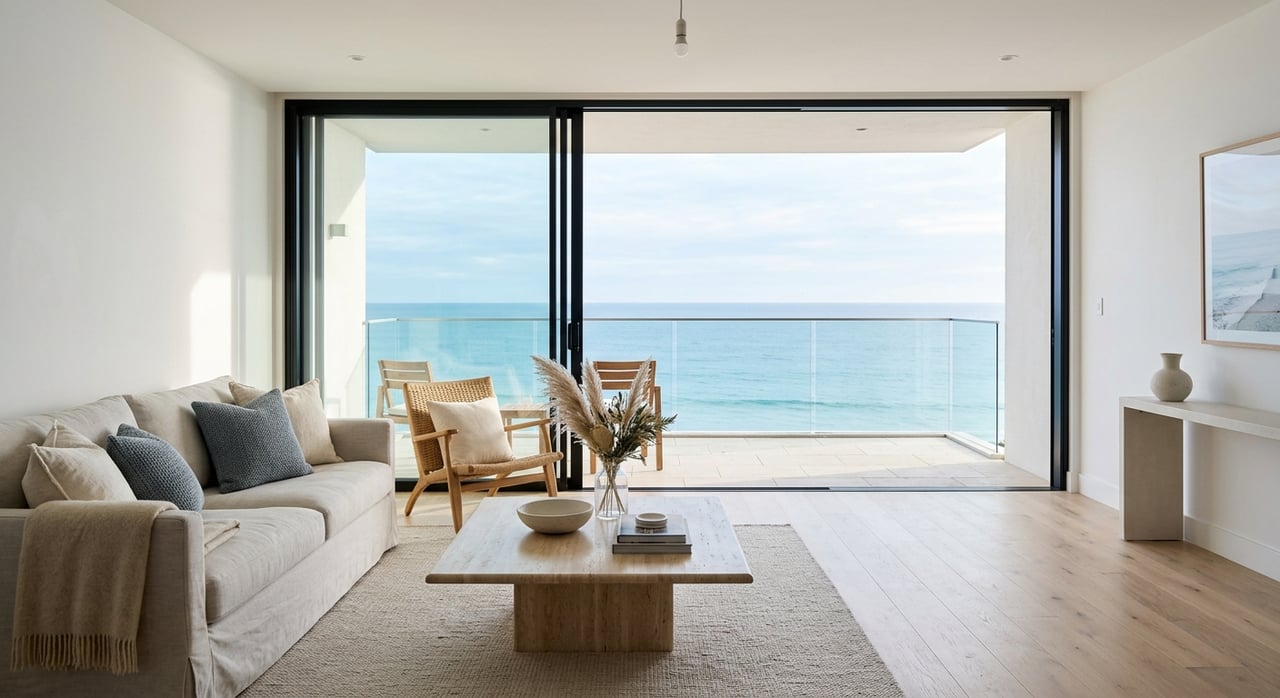
That means keeping view lines open. Low-profile seating, properly scaled furniture, and minimal window treatments help the eye move naturally toward the water instead of stopping at bulky décor.
If a room feels crowded, the views can feel smaller. In a waterfront home, that is a staging mistake worth avoiding.
Keep furniture below the sightline
Arrange seating so it supports conversation without blocking windows or doors. In many cases, fewer pieces create a stronger impression than a fully filled room.
The goal is not to prove how much furniture fits. The goal is to make the room feel spacious, balanced, and oriented toward the setting buyers came to see.
Let natural light do the work
Newport Beach’s warm Mediterranean-type climate and year-round appeal support a bright, open presentation. Clean windows, lighter textiles, and uncluttered surfaces help the home feel fresh and sunlit.
When the light is right, a waterfront home does a lot of selling on its own. Your staging should simply make that easier to experience.
Stage outdoor spaces like real rooms
In Newport Beach, outdoor living is not a bonus feature. It is part of daily life. The city’s climate and beach setting make patios, balconies, decks, roof decks, and docks feel like true extensions of the interior.
That is why outdoor staging deserves the same attention as the living room or kitchen. Buyers should be able to understand how they would relax, gather, or dine outside within seconds.
Create one clear purpose per space
A small balcony might work best as a morning coffee setting. A larger bayfront patio may read better with a compact dining area and a separate conversation zone.
Avoid trying to force too many functions into one area. When each space has a clear purpose, the home feels larger and more intentional.
Make the indoor-outdoor flow obvious
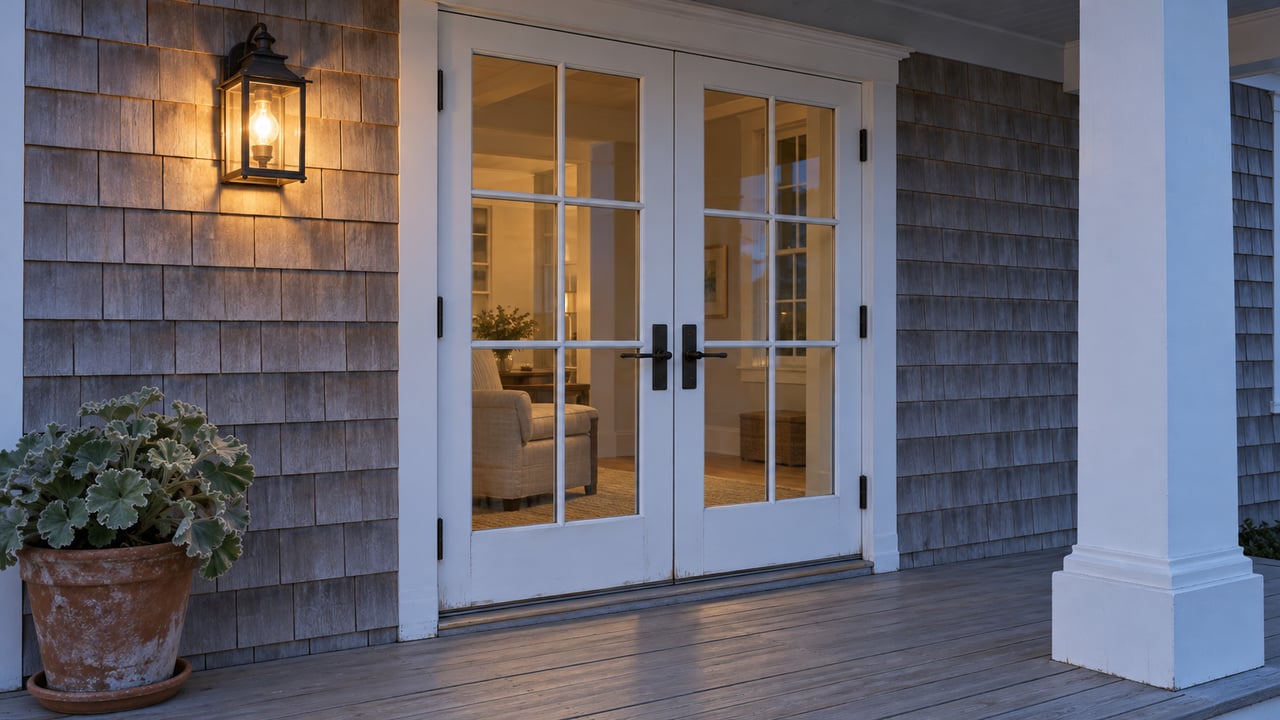
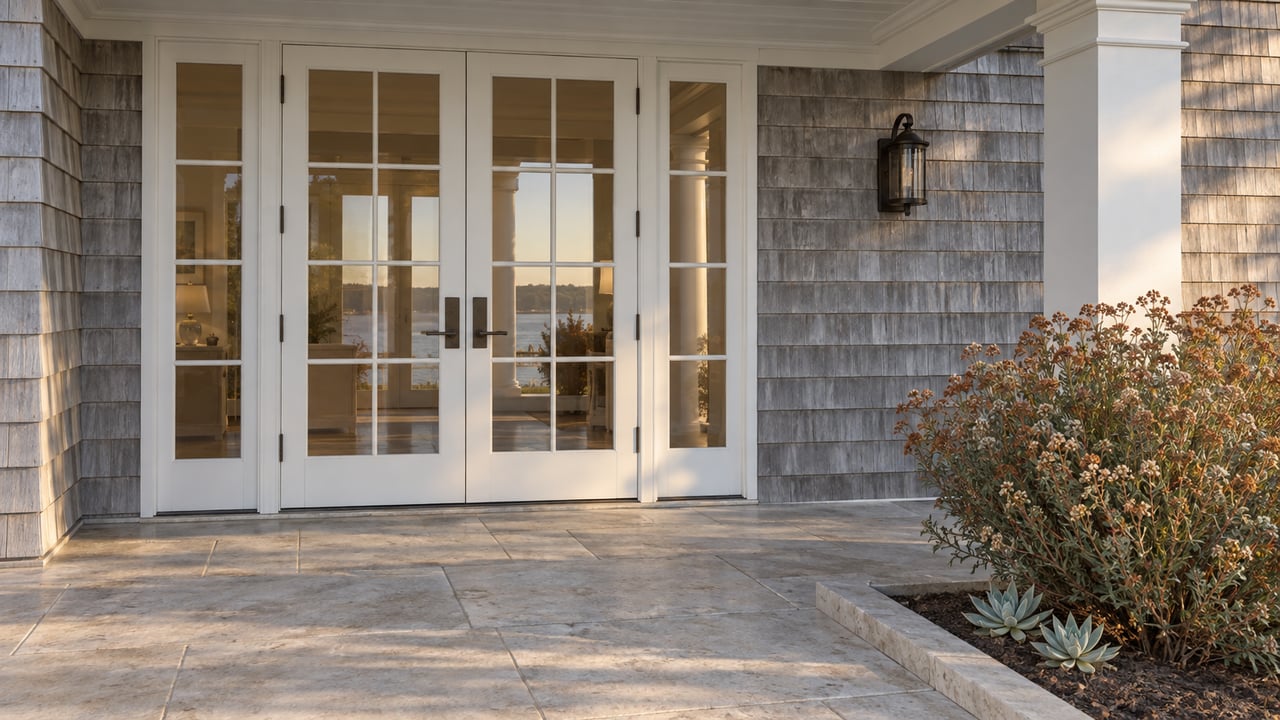
Furniture placement should guide buyers naturally from inside to outside. Open pathways, aligned seating, and clean transitions at sliding doors or French doors help buyers experience the home as one connected environment.
This is especially important on the Peninsula, where the setting supports a lifestyle-first presentation. If outdoor areas feel unfinished, the property can feel less complete.
Choose durable outdoor pieces
Near the shoreline, salt spray and onshore winds can wear down outdoor materials quickly. Staging pieces should look refined, but they also need to hold up well during the listing period.
That makes material choice part of the presentation. Clean, durable furnishings and accessories help the home look maintained and market-ready.
Use a refined coastal look
A waterfront home should feel coastal, but not themed. Buyers generally respond better to a neutral base, layered texture, and selective color than to heavy style statements.
For Balboa Peninsula, a restrained coastal palette usually works best. Think light tones, soft contrast, natural texture, and a relaxed finish that supports the architecture and the view.
Skip the obvious nautical décor
You do not need anchors, shells, rope details, or overt beach props to communicate location. In fact, too much theme décor can make a luxury property feel less sophisticated.
Instead, let the home’s setting do the talking. Water views, light, breezes, and simple styling create a stronger impression than decorative clichés.
Match the home’s architecture
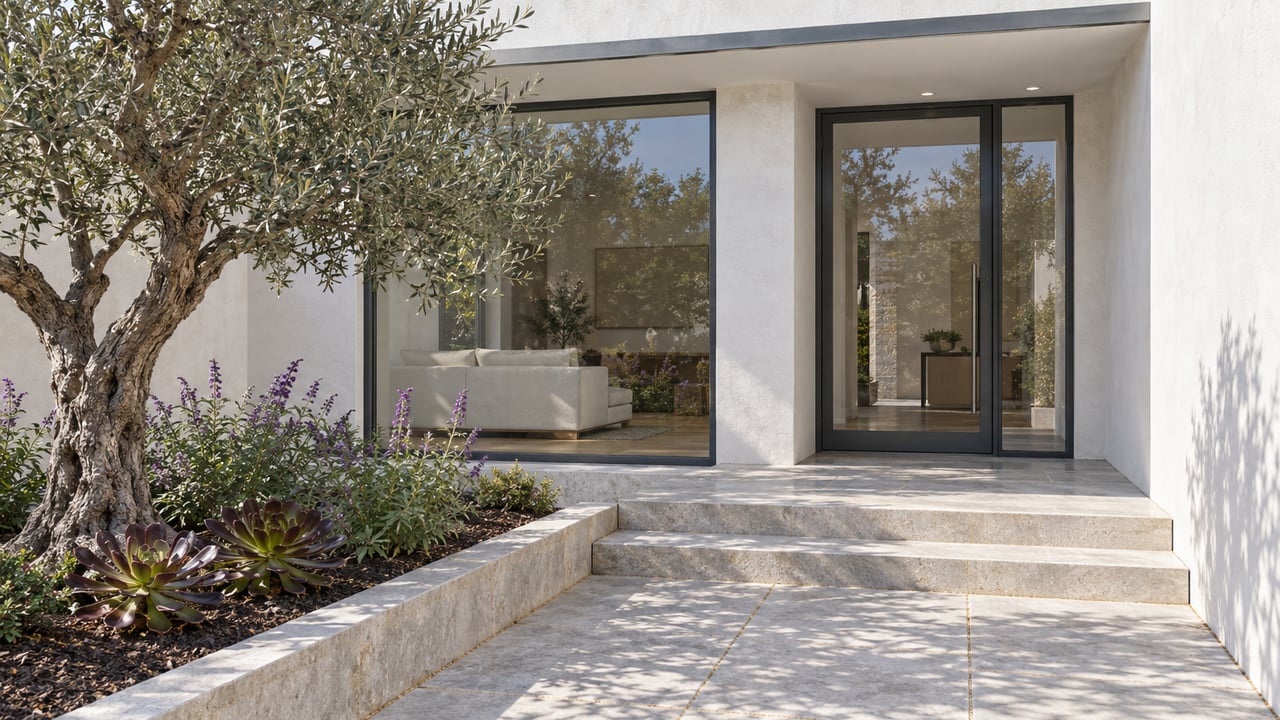
Balboa Peninsula properties often range from contemporary waterfront homes with expansive glass to more traditional coastal designs with porches, trim, and layered detailing. Your staging should support the architecture rather than compete with it.
Contemporary homes usually benefit from cleaner lines and fewer accessories. More traditional coastal homes can carry a bit more softness and texture, but they still need restraint.
Focus on the rooms that matter most
If your timeline or budget is limited, prioritize the spaces that have the biggest influence on buyer perception. NAR’s 2025 reporting found that the living room was the most important room to stage for buyers, followed by the primary bedroom and kitchen.
For a Balboa Peninsula waterfront home, the dining area and main outdoor entertaining space also deserve early attention. These are often central to how buyers imagine using the property.
Priority staging order
- Living room
- Primary bedroom
- Kitchen
- Dining area
- Main outdoor entertaining space
If you fully prepare these spaces first, you can still create a strong overall impression. The key is making the home feel cohesive where buyers naturally focus most.
Prepare for photos and in-person showings
Buyers today often meet your home online before they ever step inside. NAR reports that photos, traditional staging, video tours, and virtual tours are among the listing assets buyers most want.
That means staging should work from every angle. A room may feel acceptable in person, but if it photographs as crowded, dim, or confusing, it can lose momentum before a showing is even scheduled.
Simplify every frame
Remove visual distractions such as excess countertop items, personal collections, and unnecessary small furniture. In listing photography, clean lines and clear focal points usually read best.
This is especially true in waterfront homes. Photos should highlight openness, natural light, and the relationship between the interior and the water.
Make arrival feel effortless
Balboa is a public-facing destination with beach access, paid parking, and seasonal trolley service built into the normal visitor pattern. Showing-day logistics matter more here than they might in a typical inland neighborhood.
A tidy front approach, polished entry, and clear arrival instructions can improve the experience before buyers even reach the front door. First impressions start outside.
What to do if full staging is not necessary
Not every seller wants or needs full furnishing. NAR notes that self, professional, and virtual staging can all play a role, depending on the property and the seller’s goals.
If you are not planning a full staging installation, the minimum standard should still be high. Even partial preparation can make a meaningful difference when it is done carefully.
The essentials for partial staging
- Declutter every room
- Deep clean the entire home
- Repair visible issues
- Depersonalize surfaces and walls
- Refresh exterior areas and landscaping
- Use professional photography
For a waterfront property, the most important principle is simple. Nothing about the preparation should distract from the actual waterfront experience.
Common staging mistakes to avoid
Even exceptional homes can underperform when the presentation misses the mark. On Balboa Peninsula, the most common mistakes tend to be less about style and more about blocking the lifestyle buyers expect to see.
Watch for these issues:
- Furniture that interrupts water views
- Overdecorated rooms that feel busy in photos
- Outdoor areas left empty or undefined
- Heavy window treatments that reduce light
- Too many personal items that limit buyer imagination
- Entry areas that feel cluttered or hard to navigate
A strong staging plan removes friction. It helps buyers focus on what is special about the home, not what needs to be mentally edited out.
Why local strategy matters
Waterfront staging is never one-size-fits-all. A bayfront home near active harbor views may call for a different presentation than an oceanfront property near the boardwalk, even if both are beautifully finished.
That is where local market knowledge becomes valuable. Knowing how buyers respond to view corridors, outdoor flow, showing logistics, and Peninsula-specific lifestyle cues can shape a more effective presentation and a stronger launch.
When your home is positioned thoughtfully, staging becomes more than décor. It becomes part of a curated marketing strategy designed to support premium results with clarity and confidence.
If you are preparing to sell a Balboa Peninsula waterfront home, Kim Bibb offers discreet, concierge-level guidance tailored to Newport Beach’s most specialized coastal properties.
FAQs
Is staging worth it for a Balboa Peninsula waterfront home?
- Yes. NAR’s 2025 findings show staging helps buyers visualize the home, can improve the value offered, and may reduce time on market.
Which rooms matter most when staging a waterfront home in Balboa?
- The living room matters most, followed by the primary bedroom and kitchen. On the Peninsula, the main outdoor entertaining space also deserves special attention.
Is virtual staging enough for a Balboa waterfront listing?
- Virtual staging can help online presentation, but waterfront homes also benefit from in-person staging that preserves view corridors and indoor-outdoor flow.
How should outdoor spaces be staged in Newport Beach?
- Outdoor spaces should be staged as usable rooms, such as conversation areas or compact dining spaces, with a clear connection to the interior.
What is the biggest staging priority for a Balboa Peninsula home?
- The biggest priority is keeping the views and natural light front and center so buyers can immediately understand the waterfront setting.