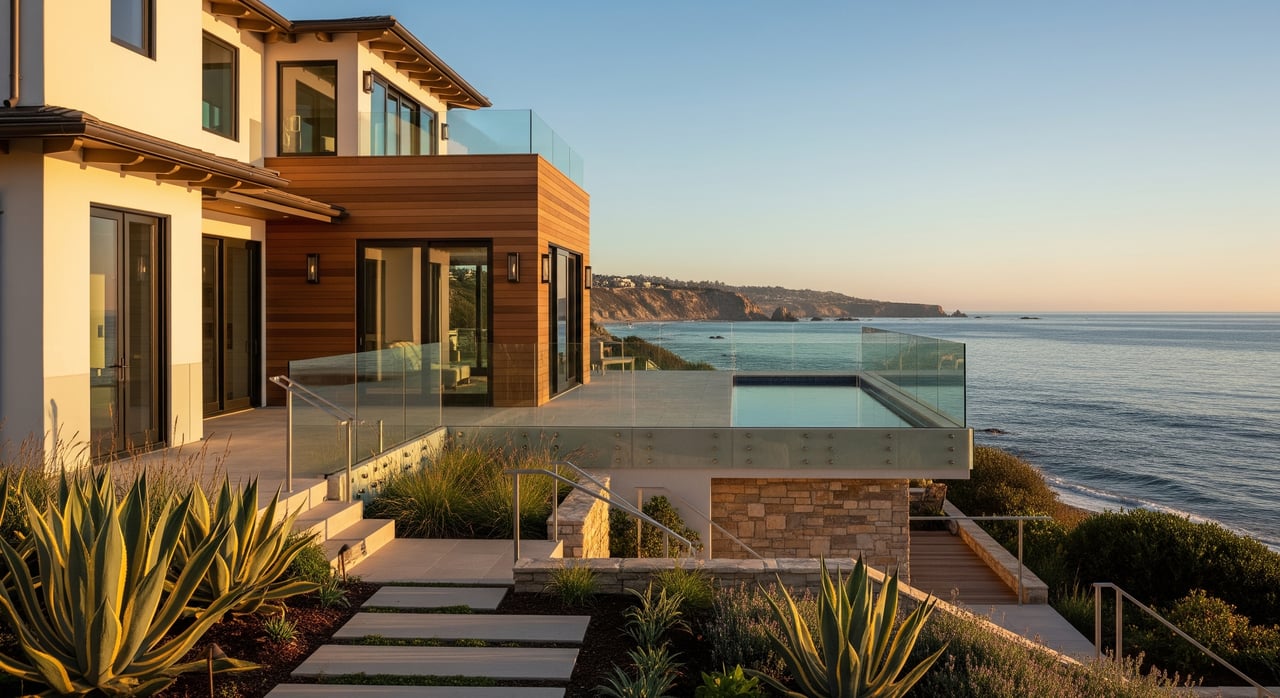
Thinking about opening up your floor plan or adding space in Corona del Mar? Coastal permits can surprise even seasoned homeowners with extra steps, studies, and timelines. You want a smooth remodel that protects your investment and keeps your project on schedule. In this guide, you’ll learn the core permit basics, who reviews your plans, what studies to expect, and how to plan your timeline and budget. Let’s dive in.
What a Coastal Development Permit is
A Coastal Development Permit (CDP) is a permit required for development inside California’s coastal zone. It is based on the California Coastal Act and administered by the California Coastal Commission and local governments with certified Local Coastal Programs.
In Corona del Mar, many projects are reviewed and approved by the City of Newport Beach under its Local Coastal Program. Some projects can be appealed to the Coastal Commission, and the Commission keeps direct jurisdiction in certain areas. Early in planning, confirm whether your project is processed by the City or may involve the Commission. For background, visit the California Coastal Commission and the City of Newport Beach Planning & Development.
When you need a CDP for a remodel
Not every remodel needs a CDP. Interior-only upgrades that do not add floor area or change use often do not. That said, many exterior remodels and additions in the coastal zone do require one. Always verify with City Planning before assuming an exemption.
Typical CDP triggers include:
- New structures or additions that increase footprint or floor area.
- Exterior remodels that change use, increase intensity, or enlarge a structure.
- Work on or near coastal bluffs or beaches, including grading, retaining, and shoreline protection.
- Major site grading, seawalls, or projects affecting public access.
- Development that could affect wetlands, biological resources, cultural resources, or public view corridors.
Some minor work can qualify for de minimis or emergency permits. The permit authority must make that determination.
Who reviews your Corona del Mar project
Your application typically moves through several local touchpoints:
- City planning staff complete an intake and consistency review with the Local Coastal Program and zoning.
- Design review may occur at staff level, a Design Review Board, or the Planning Commission depending on scope.
- Public noticing is standard. Neighbors and community groups can comment or request a hearing.
- Interdepartmental reviews may include building and safety, engineering, public works, fire, and, where needed, geotechnical or traffic.
- City approvals usually include an appeal window. Some decisions can be appealed to the Coastal Commission.
Private neighborhood associations or HOAs may also have separate review procedures. Check your CC&Rs early in planning.
Technical studies you may need
Coastal projects often require specialized reports. Plan for some or all of the following:
- Geotechnical and soils report for bluff-top lots, steep slopes, or older foundations. This may include slope stability and foundation recommendations.
- Coastal consistency analysis that explains how your plan meets Local Coastal Program and Coastal Act policies on public access, views, and resource protection.
- Sea level rise and flood risk analysis for shoreline-adjacent or lower elevation sites, with recommendations such as setbacks or elevation.
- Drainage and stormwater plans to protect bluffs, minimize runoff to the beach, and manage on-site flows.
- Biological or archaeological assessments if sensitive resources may be present.
- Visual and view analysis if the project could affect public view corridors or nearby viewpoints.
- Grading and erosion control plans to limit disturbance and manage construction impacts.
- Construction management and staging plan that addresses access, parking, noise, and safety on narrow village streets and near beach access points.
Timeline: what to expect
Every project is unique, but these planning ranges are helpful:
- Pre-application consult with City Planning: 2 to 6 weeks to schedule and meet.
- Design and studies (architectural plans, geotech, coastal analysis): 4 to 12+ weeks.
- Application submittal and completeness review: 2 to 6 weeks.
- Staff review and comment cycles: often 60 to 120 days for typical projects; complex cases require more time.
- Design review or Planning Commission hearing: 4 to 12 weeks to schedule and hear.
- Appeal period: several weeks after a decision. Appeals to the Coastal Commission add more time.
- Coastal Commission involvement if applicable: plan for roughly 2 to 6 months or longer based on the Commission’s calendar.
- Building permit review: runs in parallel after the CDP is approved or final; can take several weeks to months.
Practical timeline benchmarks:
- Minor additions or straightforward exterior work without appeals: about 3 to 6 months from pre-app to permit issuance.
- Moderate projects with design review and geotechnical studies: about 6 to 12 months.
- Projects involving bluff or shoreline protection, substantial environmental review, or appeals: 12 to 24+ months.
Common pitfalls and how to avoid them
You can save time and cost by planning for these risk areas:
- Jurisdiction confusion. Confirm early whether the City or the Coastal Commission will process your permit and whether a City decision is appealable.
- Bluff and shoreline limits. Properties near bluffs face stricter standards; expansion seaward or new protection structures may be limited.
- Sea level rise and floodplain issues. Be ready to evaluate future conditions and adapt your design accordingly.
- Incomplete submittals. Missing geotech, coastal consistency, or drainage details cause extra review cycles.
- Community concerns about views or scale. Early outreach and responsive design can reduce objections and appeals.
- CEQA triggers. Projects with potential significant impacts may require environmental review and added time.
Budgeting: fees and soft costs
Expect a mix of application fees, consultant reports, and design costs:
- City application and plan check fees: from under $1,000 to several thousand dollars depending on scope. Check current City schedules.
- Consultant studies such as geotechnical, coastal analysis, and engineering: roughly $5,000 to $50,000 for moderate projects, with bluff or shoreline work at the higher end.
- Architect and design team fees: often 6 to 15 percent of construction cost for remodels and additions, depending on complexity.
- Potential legal or appeal costs if your project is contested.
These are planning estimates. Request proposals from local consultants familiar with Newport Beach and Corona del Mar.
A simple plan to get started
Use this sequence to move efficiently:
- Book a pre-application meeting with City Planning to confirm jurisdiction, submittal materials, and likely studies.
- Hire an architect experienced with Newport Beach coastal rules. Add a coastal permit consultant for complex sites.
- Order geotechnical and other technical studies early so your first submittal is complete.
- Prepare a coastal consistency memo that addresses public access, views, drainage, and resource protection.
- Conduct neighbor outreach before noticing to identify and resolve concerns.
- Submit your CDP application and respond quickly to staff comments.
- Prepare for design review or Planning Commission with clear visuals and technical support.
- Track appeal windows and plan contingencies if the project is appealable to the Coastal Commission.
- Coordinate building permit plan check so construction can start promptly after CDP finalization.
When the Coastal Commission gets involved
Some projects in Corona del Mar fall under the Coastal Commission’s appeal jurisdiction, and some areas remain under the Commission’s direct permit authority. If an appeal is filed or your site is within Commission jurisdiction, your timeline will include Commission scheduling. The Commission meets monthly with filing deadlines several weeks ahead. You can review guidance and contacts on the California Coastal Commission site.
Your project team
Assemble a team that knows Newport Beach’s coastal rules:
- Architect with Newport Beach coastal experience.
- Coastal planner or permit consultant.
- Geotechnical engineer, plus structural and civil engineers as needed.
- Landscape architect for native planting, erosion control, and visual mitigation.
- Contractor with coastal construction experience.
- Land-use attorney for complex appeals or jurisdictional questions.
Final thoughts
A Corona del Mar remodel can enhance both your lifestyle and long-term value. Planning early, engaging the right experts, and submitting a complete application are the fastest ways to a clean approval. If you would like introductions to trusted local professionals or wish to align your remodel with future sale goals, connect with Kim Bibb for discreet guidance.
FAQs
Do I always need a coastal permit for a Corona del Mar remodel?
- Not always; interior-only work that does not add floor area or change use may be exempt, but most exterior work, additions, grading, and bluff or shoreline work typically requires a CDP. Confirm with City Planning.
How long does the CDP process usually take in Corona del Mar?
- Straightforward projects can take about 3 to 6 months; moderate projects with design review often run 6 to 12 months; complex or appealed projects can take 12 to 24+ months.
Who decides my permit: the City or the Coastal Commission?
- Many CDPs are issued by the City of Newport Beach under its Local Coastal Program, but some areas or decisions are appealable to the California Coastal Commission, which also retains direct jurisdiction in specific areas.
What studies are commonly required for coastal remodels?
- Geotechnical reports, coastal consistency analyses, sea level rise and flood evaluations, drainage and stormwater plans, visual analyses, and construction management plans are common.
What are the biggest risks to my timeline and budget?
- Jurisdiction misunderstandings, incomplete submittals, geotechnical surprises on bluffs, and community opposition that leads to appeals are the most common risks.