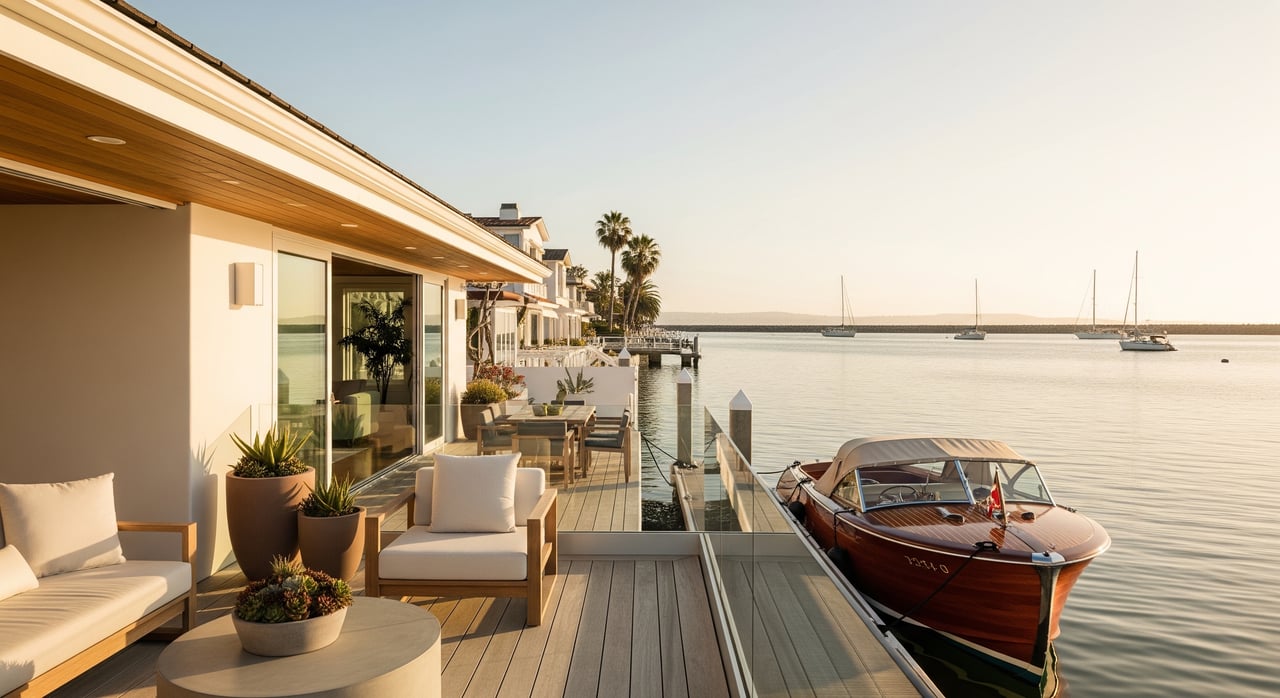
What draws you to the Balboa Peninsula may be simple: the idea of waking up near the water, grabbing coffee on foot, and ending your day with a sunset over the Pacific. If you are imagining daily life here, you probably want a clear picture of rhythms, tradeoffs, and how the neighborhood actually functions. In this guide, you will get a practical view of mornings, evenings, housing types, parking, schools, and seasonal patterns so you can decide if the peninsula fits your lifestyle. Let’s dive in.
Morning rhythms
Mornings start early. You will see walkers, runners, and cyclists moving along the oceanfront while surfers check the breaks. On the harbor side, calm water invites stand-up paddleboarding and kayak launches. Coffee shops and breakfast spots open early to serve the steady stream of locals heading to the sand.
On weekdays outside peak season, the pace feels relaxed. You can stroll the boardwalk, walk the dog, or get a quick harbor loop in before work. The air is cool and clear, and the sound of the surf sets the tone for the day.
Midday and evenings
By midday, the ocean side draws beachgoers while the harbor side fills with sailing lessons and paddle craft. Casual seafood spots stay busy, and small markets make it easy to grab snacks and essentials. Summer afternoons bring more visitors, but winter weekdays feel open and calm.
Evenings center on the sunset. You might meet friends for dinner with a harbor view, catch a walk on the pier, or take the family to the Balboa Fun Zone for a simple night out. During summer, expect more live music, active patios, and higher foot traffic near the Balboa Pier and Fun Zone.
Beaches and harbor fun
The oceanfront runs the length of the peninsula, with the Balboa Pier as a daily focal point. At the east end, The Wedge is a famous surf and bodyboarding spot. Conditions there can be powerful, and many people visit just to watch the waves.
On the harbor side, life is calmer. You will see small boat launches, paddleboarding, and frequent harbor cruises. The marina culture is active, with yacht and sailing activity visible most days.
Ocean vs harbor living
Choosing between sides affects your routine.
- Ocean side: Direct beach access, steady surf, and sea breezes. Expect more exposure to marine weather and the lively energy that comes with sand and surf right outside your door.
- Harbor side: Sheltered water views, a boating orientation, and easier access to docks, moorings, and marinas. Daily life feels a bit calmer and more protected from wind and swell.
Both sides blend resort energy with residential blocks. You can walk to the attractions, then return to quieter, tree-lined streets a few blocks inland.
Walkability and the ferry
Many errands are walkable or bikeable. You can reach the pier, small markets, and restaurants on foot. For a quick, scenic connection to Balboa Island, the Balboa Island Ferry offers short crossings for pedestrians, bikes, and cars.
For visitor attractions and seasonal events, the city’s tourism resources are a helpful reference. You can browse neighborhood highlights and event updates on Visit Newport Beach.
Getting around and parking
The peninsula is primarily car dependent for regional commuting. Local bus service is available through the Orange County Transportation Authority, and regional rail connects in nearby cities through Metrolink. For most residents, driving remains the norm for work trips off-peninsula.
Parking is part of daily life. Street parking can be limited near the Balboa Pier, the Fun Zone, and along the harbor during busy times. Some streets use resident permit parking. For current rules, permits, harbor operations, and public services, use the City of Newport Beach as your central resource.
Housing types and daily feel
Homes here range from classic cottages and bungalows to condominiums, small apartment buildings, and larger luxury single-family homes, especially along the harbor. Many lots are compact, which encourages walking and a neighborly feel. Some streets skew toward rentals, while others are more owner-occupied.
If you plan to remodel or build, understand local guidelines. Condo and planned communities may have HOA rules. Coastal work can involve the local coastal program and state oversight. For rental plans, short-term rentals are regulated by the city, so you should verify permits, licenses, and local rules before making decisions.
Costs and market context
Newport Beach is one of Orange County’s higher-cost markets, and the Balboa Peninsula’s oceanfront and harborfront homes are among the priciest segments. Prices and inventory shift with the season and property type. If you are early in your search, focus on how lifestyle priorities align with location, then refine your budget and timing with current market data.
For many buyers, tradeoffs include lot size versus view, ocean exposure versus harbor access, and proximity to busier nodes versus quieter blocks. A clear list of non-negotiables will save you time as you compare options.
Services and schools
City services, including police, fire, and public works, are provided by Newport Beach. You can review public safety resources and community updates through the Newport Beach Police Department. For school questions, peninsula addresses fall within the Newport-Mesa Unified School District. Verify school assignments by address through the Newport-Mesa Unified School District.
For full-service grocery and retail variety, you will likely make short drives to mainland Newport Beach or nearby centers. On-peninsula shopping leans small-scale, with convenience markets, surf shops, and tourist-oriented stores.
Environmental factors
The peninsula is a coastal barrier environment. That means wave action, storm surge, and coastal erosion are part of the long-term picture, along with sea level rise. You can review statewide sea level rise guidance through the California Coastal Commission.
Flood risk varies by exact location and elevation. Before you buy, check the FEMA Flood Map Service Center to confirm flood zone status for any property and discuss insurance considerations with your carrier. Use the FEMA Flood Map Service Center as your starting point.
Pros and tradeoffs
What many residents love:
- Immediate access to beach and harbor recreation.
- Walkable weekends with cafes, small markets, and casual dining.
- Scenic views and postcard sunsets.
What you should weigh:
- Higher home prices and rents relative to many Orange County areas.
- Seasonal crowds, event traffic, and tighter parking near attractions.
- Coastal exposure and the need to plan for long-term resilience.
- Limited big-box retail on the peninsula, with most variety a short drive away.
Seasons and big events
Summer is the peninsula’s busiest season. Expect more visitors, heavier traffic, and lively evenings by the water. During the holidays, the Newport Beach Christmas Boat Parade draws regional attention and creates a festive atmosphere along the harbor. You can track signature happenings and neighborhood programming via Visit Newport Beach.
The reward for locals comes in the shoulder seasons and winter weekdays, when the beach paths are quiet and you can move at your own pace. Many year-round residents prefer this balance of energy and calm.
Is it a fit for you?
Start with how you want to live. If daily walks to the sand, morning paddles, and dinner with harbor views are top priorities, the Balboa Peninsula delivers. If you prefer extra space, larger yards, and easy parking, you will need to be selective about your block or consider nearby neighborhoods.
As you explore, pay attention to the micro-differences that shape daily life: ocean side versus harbor side, proximity to the pier and Fun Zone, and how your block handles parking and noise. For permits, harbor slips, and neighborhood rules, the City of Newport Beach is your source of truth.
If you want hyperlocal insight, off-market context, and a confidential conversation about waterfront opportunities, reach out to Kim Bibb. You will get clear guidance rooted in decades on the peninsula so you can move forward with confidence.
FAQs
Is Balboa Peninsula a year-round place to live?
- Yes. Many residents live here full time, with quieter weekdays and winters balancing the busier summer season and holiday events.
What is the difference between ocean side and harbor side living?
- Ocean side offers direct beach access and surf exposure, while harbor side feels calmer, boat-oriented, and more sheltered from wind and swell.
How difficult is parking on the peninsula?
- Parking is tight near the Balboa Pier, Fun Zone, and harbor corridors, especially in summer and on weekends. Some streets use resident permits, which you can confirm through the City of Newport Beach.
Are short-term rentals allowed on the Balboa Peninsula?
- Short-term rentals are regulated by the city, with permits and local rules that owners must follow. Review current requirements through the City of Newport Beach.
What are the flood and sea level considerations for homes here?
- Coastal hazards are a real factor. Review statewide guidance from the California Coastal Commission and verify a property’s flood zone at the FEMA Flood Map Service Center.
How do you commute from the peninsula to work hubs like Irvine or Santa Ana?
- Most residents drive. Bus routes are available via the Orange County Transportation Authority, and regional rail connects through Metrolink stations off-peninsula.