Is there a right month to list on Peninsula Point, or do great homes sell any time? When you own on the Newport Beach waterfront, timing still matters, but the playbook looks different than it does inland. Your goal is not just more eyeballs. It is the right exposure at the right moments, when lifestyle, light, and buyer intent all line up. In this guide, you will see the best listing windows by property type and orientation, how local events and boating season affect demand, and a simple launch timeline you can use in 92662. Let’s dive in.
What “maximum exposure” means here
On Peninsula Point, maximum exposure is about qualified visibility, not crowds. You want strategic timing that elevates your home in front of real buyers who value oceanfront and bayfront living. That includes sellers’ market windows, but also moments when weather, light, and lifestyle cues tell a stronger story.
This micro-market draws year-round interest from high-net-worth buyers. That is why luxury seasonality is softer than in most inland areas. Still, the way you time photography, showings, and event tie-ins can amplify results, especially for waterfront homes with unique orientation and amenities.
Seasonality snapshot for 92662
- Spring is historically the most active period for buyer traffic across the U.S., and Orange County generally follows this pattern. Listings that launch in March to May often see stronger activity and shorter days on market.
- Luxury and one-of-a-kind properties are less seasonal. Serious waterfront buyers search year-round, so well prepared listings can perform in any month.
- Summer brings peak coastal visitation, which can increase walk-in interest for certain properties. Off-peak listings benefit from less competition and more focused buyers.
Local weather also shapes presentation. Winters are mild, summers are warm and dry, and late spring can bring a morning marine layer known as June Gloom. Plan photos for late morning, afternoon, or twilight when skies are clearer.
Best listing windows by property type
Oceanfront, west-facing homes
- Primary windows: February to May, and September to October.
- Why it works: Late winter and spring bring strong demand and often dramatic post-storm skies that make oceanfront imagery pop. Early fall offers clear, stable weather with fewer competing listings.
- Tactical tip: Schedule twilight or late-afternoon photography and showings to capture sunsets. If you must list in June, plan shoots after the marine layer burns off.
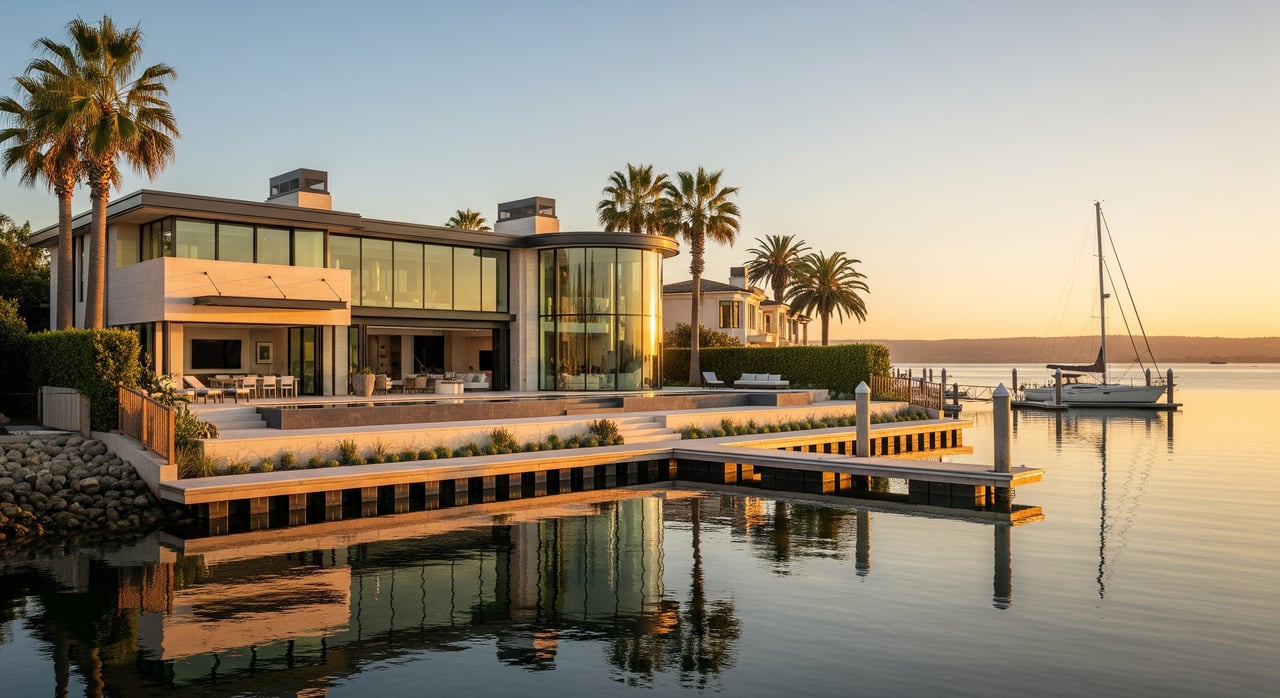
Bayfront and harbor-front with docks or slips
- Primary window: Late February to June.
- Why it works: Boating season ramps up in spring, so buyers can see boats in the water, active marinas, and the lifestyle you are selling.
- Tactical tip: If permitted, stage a well-maintained boat in the slip for photos and showings. Highlight proximity to seasonal harbor activity.
Canal-front properties
- Primary windows: March to June, and September to October.
- Why it works: Spring delivers broad buyer activity. Early fall returns clear weather and reduced competition while outdoor spaces still shine.
- Tactical tip: Showcase dock usability and outdoor living. Time photos when landscaping and hardscape are in peak condition.
Luxury, custom, and trophy homes
- Flexible windows: Year-round, with strategic opportunities in November to December and January to March.
- Why it works: Top-tier buyers shop on their schedule and value privacy. Holiday and late-winter periods can bring less inventory and more motivated prospects.
- Tactical tip: Focus on private showings, editorial-grade photography, and targeted outreach. Expect fewer open houses around holidays, but higher intent.
School-year sensitive moves
- Primary window: March to April to close in late spring or early summer.
- Why it works: Many owner-occupiers prefer a summer move to avoid mid-year school disruption.
- Tactical tip: Prep in late winter so you can launch early and capitalize on the spring wave.
Short-term or investment-oriented listings
- Primary window: May to July.
- Why it works: You can speak to peak rental demand right ahead of summer occupancy.
- Tactical tip: Present rental performance, occupancy patterns, and permitting details with clarity.
Orientation, light, and showings
Waterfront orientation is a major lever for exposure.
- West-facing oceanfront: Aim for golden hour and twilight to capture water color, horizon, and sunsets. Avoid early mornings during June Gloom, which can flatten images.
- East or south-facing bayfront: Use bright morning light over calm water for hero shots. Round out the gallery with afternoon and twilight vignettes for variety.
- Canal-front: Midday to late-afternoon light often works well on docks and courtyards. Include evening images with architectural lighting for warmth and depth.
Plan a mix of private twilight showings for serious prospects and open houses late morning to early afternoon for broader traffic.
Tie your launch to local moments
Timing a listing to a local event can amplify awareness if the audience aligns with your home.
- Spring culture and film: The Newport Beach Film Festival typically runs in April and draws well-heeled visitors. A late March or April launch can ride that wave of attention.
- Boating season: Harbor activity builds from March through early summer. Bayfront and canal listings show well when slips are occupied and water is active.
- Whale-watching season: Gray whale migration peaks from winter to spring. A spring launch can speak to the coastal lifestyle with timely visuals.
- Summer festivals: County and coastal events in July and August increase overall visitation, which can help second-home interest.
- December on the harbor: The Christmas Boat Parade draws regional attention and media. Harborfront listings can leverage pre-event marketing in early December.
Align event tie-ins with your ideal buyer. Use them to support awareness, not to override fundamentals like pricing, presentation, and access.
A practical 6-week launch timeline
Use this checklist to structure your go-to-market plan:
- Weeks 6 to 5: Conduct pre-listing inspections, confirm dock or seawall details, and schedule any fast-turn repairs. Gather permits and insurance documentation relevant to waterfront ownership.
- Weeks 5 to 4: Finalize pricing strategy with current local inventory and days-on-market checks. Decide between public, private, or hybrid launch based on your goals and privacy needs.
- Week 4: Book photography and video for optimal light based on orientation. If applicable, arrange a boat for the slip and confirm marina or HOA rules.
- Week 3: Complete staging with an emphasis on outdoor living. Prep landscaping and hardscape, and clean all glass and railings.
- Week 2: Build marketing assets. Draft lifestyle-forward copy that highlights orientation, dock specs, and proximity to seasonal activities.
- Week 1: Tease to qualified buyers through targeted outreach. Schedule twilight showcase appointments and plan open house times around the best light.
- Launch week: Go live midweek to capture weekend traffic. Maintain flexibility for private showings when weather and light are ideal.
Pricing and competition strategy
If many comparable homes plan to launch in spring, consider an early spring debut or a late summer to early fall window to avoid head-to-head competition. Spring and early summer can push stronger buyer competition for non-luxury waterfront, while luxury pricing is less tied to the calendar and more to presentation and reach.
No matter when you list, validate timing and price with current Newport Beach data before you commit. Market shifts and interest rate moves can quickly outweigh seasonal patterns.
Risk and logistics to plan for
- Weather: Winter storms can create stunning skies, but they also stress-test roofs, seawalls, and drainage. Pre-listing checks reduce surprises during escrow.
- June Gloom: Morning marine layer can dull photos. Favor late morning, afternoon, or twilight for image capture and key showings.
- Rules and permissions: HOA and marina policies vary. Confirm what you can stage on docks, and any limits on events or showings.
- Insurance and disclosures: Waterfront ownership may involve specific coverages and disclosures. Review in advance to keep negotiations smooth.
The bottom line
There is no one “perfect month” for every Peninsula Point home. The best window depends on your property type, orientation, and goals. If you align your launch with natural buyer surges, favorable light, and relevant local moments, you can create maximum qualified exposure and protect your premium.
When you are ready, a confidential, data-informed plan will help you decide between a public debut or a quieter introduction to qualified buyers. For a tailored launch calendar and valuation for your 92662 home, connect with Kim Bibb for discreet guidance.
FAQs
Is spring always the best time to sell a Peninsula Point home?
- Spring often brings more buyer activity and shorter days on market, but waterfront and luxury properties can perform year-round when presentation and outreach are strong.
How does June Gloom affect my listing photos and showings?
- It mainly impacts morning light with haze, so schedule exterior photos and key showings for late morning, afternoon, or twilight when skies usually clear.
When should I list a bayfront home with a private dock?
- Late February to June aligns with boating season, which makes lifestyle staging more compelling and validates the value of a private slip.
What if I want less competition from other Newport Beach listings?
- Consider early spring before the surge or early fall when inventory eases, and use targeted marketing to reach serious buyers.
Should I time my launch around the Newport Beach Film Festival or Boat Parade?
- Event tie-ins can help awareness if your audience aligns, but they should support, not replace, fundamentals like pricing, presentation, and access.
What is the right timing if I need to move after the school year?
- List in March or April so you can close by early summer and move during the break without mid-year disruption.