Thinking about a waterfront home on the Balboa Peninsula but not sure whether bayfront or oceanfront fits you best? It is a big decision, and the lifestyle on each side can feel very different day to day. In this guide, you will learn how the two sides compare for water access, permits, maintenance, risk, and long-term value. You will also get a simple checklist to help you choose with confidence. Let’s dive in.
Quick peninsula orientation
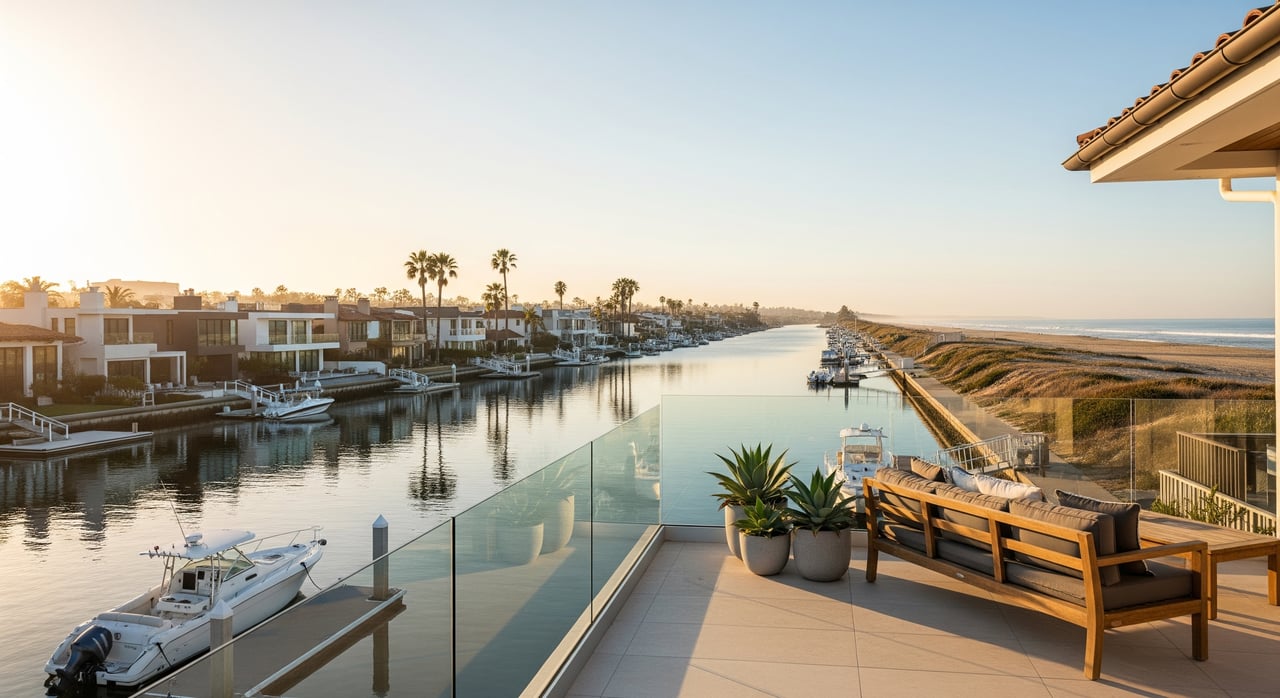
The Balboa Peninsula is a narrow sand spit with the Pacific Ocean on one side and Newport Bay on the other. Many homes face either the ocean or the harbor, often within a block of each other. Landmarks like the Balboa Pier, the Balboa Fun Zone, and the harbor entrance help you visualize how close these lifestyles are.
Because the peninsula is thin, lots are typically oriented to maximize either ocean views and beach access or harbor frontage and dockage. Public beach access is common on the ocean side, while docks, slips, and calm water recreation define much of the bayfront.
Oceanfront: surf, views, energy
Water and beach experience
On the ocean side, you get direct exposure to swell and surf. That means larger waves, lifeguarded beaches at popular spots, and easy access to surfing, bodyboarding, and beach runs. Launching motorboats from a private oceanfront lot is not practical or permitted in most areas.
Daily rhythm and privacy
The pier and beach draw visitors, especially in summer and on weekends. Expect more foot traffic, parking demand, and ambient noise near public access points. The tradeoff is dramatic, unobstructed ocean views and immediate sand access.
Maintenance and risk on the ocean side
Oceanfront homes face stronger storms and long-term beach erosion. Shoreline armoring like seawalls and revetments is heavily regulated by the California Coastal Commission. Insurance needs can be higher due to wave exposure and flood zones; you can review official mapping through the FEMA Flood Map Service Center.
Bayfront: boats, calm water, access
Dockage and boating
Bayfront living centers on boating and protected water activities. Many bayfront properties include private docks or slip rights, subject to city permits and harbor rules. For dock guidance, start with the City of Newport Beach and its Harbor resources on the official city website.
Water conditions and recreation
Inside Newport Harbor, waters are calmer with small wakes from boat traffic. It is ideal for powerboats, sailing small keelboats, kayaking, and paddleboarding. You also enjoy quick harbor access to the ocean through the jetty entrance when conditions allow.
Maintenance and risk on the bay side
Bayfront homes are more protected than oceanfront but can still experience high tides, storm surge, and localized wave action. Docks, pilings, and bulkheads require periodic inspections and maintenance by qualified marine professionals. Flood mapping and elevation still matter for insurance and long-term planning; consult FEMA’s mapping and the NOAA Sea Level Rise Viewer to understand future exposure.
Permits, docks, and shoreline rules
Bayfront docks and bulkheads typically need permits, inspections, and compliance with City of Newport Beach harbor codes. Confirm any existing dock’s recorded rights and permit history before you make an offer. If a property lacks private dockage, local marinas and clubs may offer slips, often with waitlists; the City site provides a starting point for harbor and marina information.
On the ocean side, shoreline protection is closely regulated. Armoring proposals are reviewed through the local coastal program and the California Coastal Commission. Whether you buy oceanfront or bayfront, verify permits, easements, and any code issues early in due diligence.
Risk, maintenance, and insurance
- Flood and storm exposure: Oceanfront faces stronger direct wave energy and erosion. Bayfront is more protected but still subject to tides and surge.
- Insurance: Many waterfront homes sit in FEMA flood zones. Premiums vary by elevation, flood zone, and underwriting. Review maps at the FEMA Flood Map Service Center.
- Sea level rise: Plan for long-term conditions using the NOAA Sea Level Rise Viewer and local planning documents.
- Wear and tear: Salt air accelerates corrosion of metalwork, mechanical systems, and exterior finishes. Oceanfront often sees higher maintenance from salt spray and wind. Bayfront docks and bulkheads need professional inspections and ongoing care.
Value and resale considerations
What buyers pay for on the ocean side
Oceanfront homes command premiums for unobstructed ocean views, beach access, and the prestige of the address. Proximity to the pier and popular beaches can boost appeal, though congestion and maintenance costs can be tradeoffs that matter to some buyers.
What buyers pay for on the bay side
Bayfront homes often trade at premiums when they include a permitted private dock or slip rights. Usable water frontage, calm-water recreation, and quick access to the harbor are major value drivers. Slip capacity and legal entitlements can materially affect marketability.
Liquidity and buyer pool
Oceanfront attracts a broad luxury buyer base drawn to views and sand. Bayfront appeals strongly to boating-focused buyers. Both sides are highly desirable in Newport Beach; your priorities shape which segment fits your goals and timeline.
How to choose your side
Use this checklist to compare two properties on the Balboa Peninsula:
- Orientation and use: Confirm whether each lot is truly oceanfront or bayfront and what access that provides day to day.
- Docks and slips: Verify existing docks, recorded rights, and permits. Ask about size limits and marina alternatives if needed through the City of Newport Beach.
- Permits and records: Review building permits, shoreline permits, and any seawall or bulkhead history.
- Hazard mapping: Pull FEMA flood maps, a flood elevation certificate, and long-term exposure using the NOAA Sea Level Rise Viewer.
- Specialist inspections: Order a coastal or geotechnical review for oceanfront. For bayfront, engage a marine surveyor for docks and a structural engineer for bulkheads.
- Insurance quotes: Get preliminary homeowner and flood quotes before you write an offer.
- Neighborhood activity: Visit at different times to observe beach traffic near the pier and activity around docks and marinas.
- Resale context: Ask your agent for recent oceanfront and bayfront comparables on the peninsula and discuss how features align with current demand.
Trusted local resources
- City of Newport Beach for permits and harbor information: official city website
- Coastal armoring and shoreline policy: California Coastal Commission
- Flood zones and insurance mapping: FEMA Flood Map Service Center
- Long-term sea level planning: NOAA Sea Level Rise Viewer
- Visitor patterns and area context: Visit Newport Beach
Choosing between bayfront and oceanfront on the Balboa Peninsula comes down to how you want to live on the water. If you want surf, sunsets, and a front-row seat to the beach, oceanfront can be unmatched. If you want boating at your doorstep and calm-water recreation, bayfront is hard to beat. When you are ready to compare specific addresses, permits, and off-market opportunities, connect with Kim Bibb for discreet, data-driven guidance.
FAQs
What is the main difference between bayfront and oceanfront on the Balboa Peninsula?
- Oceanfront faces the Pacific with surf and public beach access, while bayfront faces Newport Harbor with calmer water and potential for private docks subject to permits.
Can you build a private dock on a bayfront lot in Newport Beach?
- Possibly, but it requires city approvals and compliance with harbor rules; verify recorded rights, permits, and feasibility with the City of Newport Beach before purchase.
Are oceanfront homes more expensive to insure in Newport Beach?
- Typically yes, due to greater exposure to waves, erosion, and coastal risk; actual premiums depend on FEMA flood zones, elevation, and insurer underwriting.
How does public beach access affect privacy near Balboa Pier?
- Areas near the pier and popular access points experience more visitors, foot traffic, and parking demand compared with quieter stretches and many bayfront docks.
How do I evaluate a seawall or bulkhead before buying?
- Order specialist inspections, review permit and maintenance history, and consult coastal or structural engineers as appropriate for oceanfront or bayfront structures.
What inspections are unique to bayfront properties with docks?
- Hire a marine or dock surveyor for the dock system and a structural engineer to assess bulkheads, pilings, and related marine hardware.