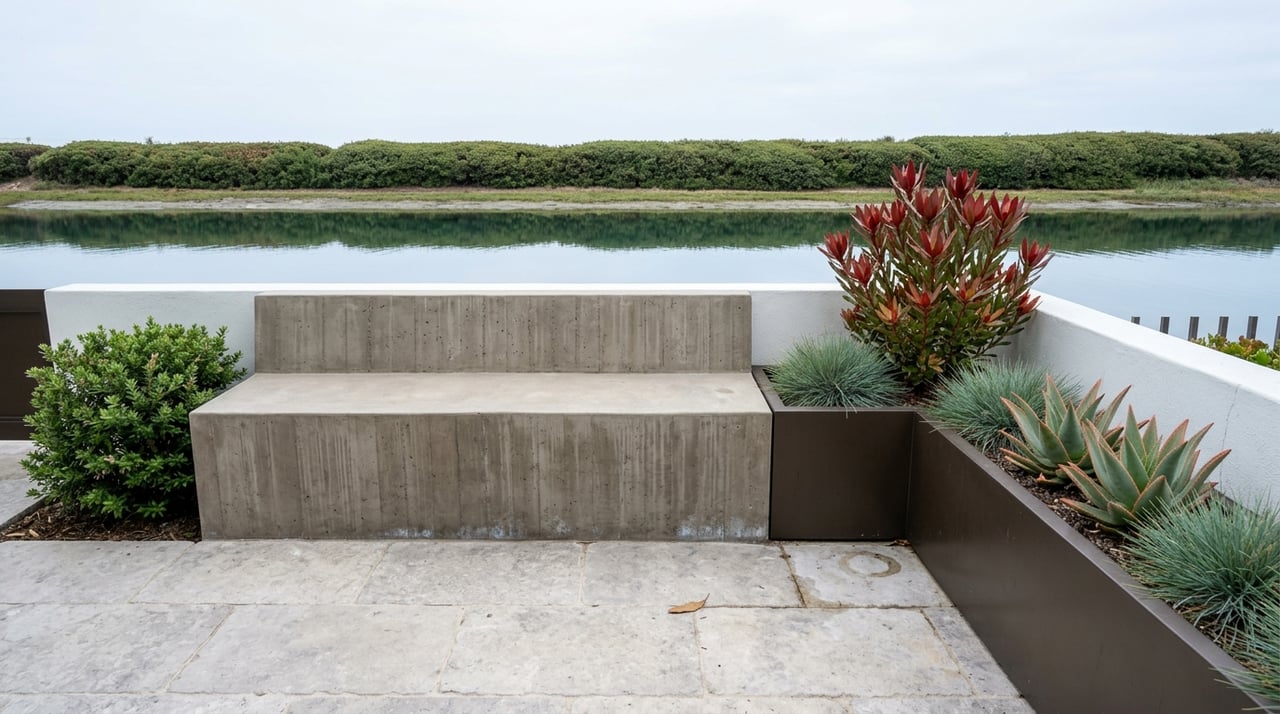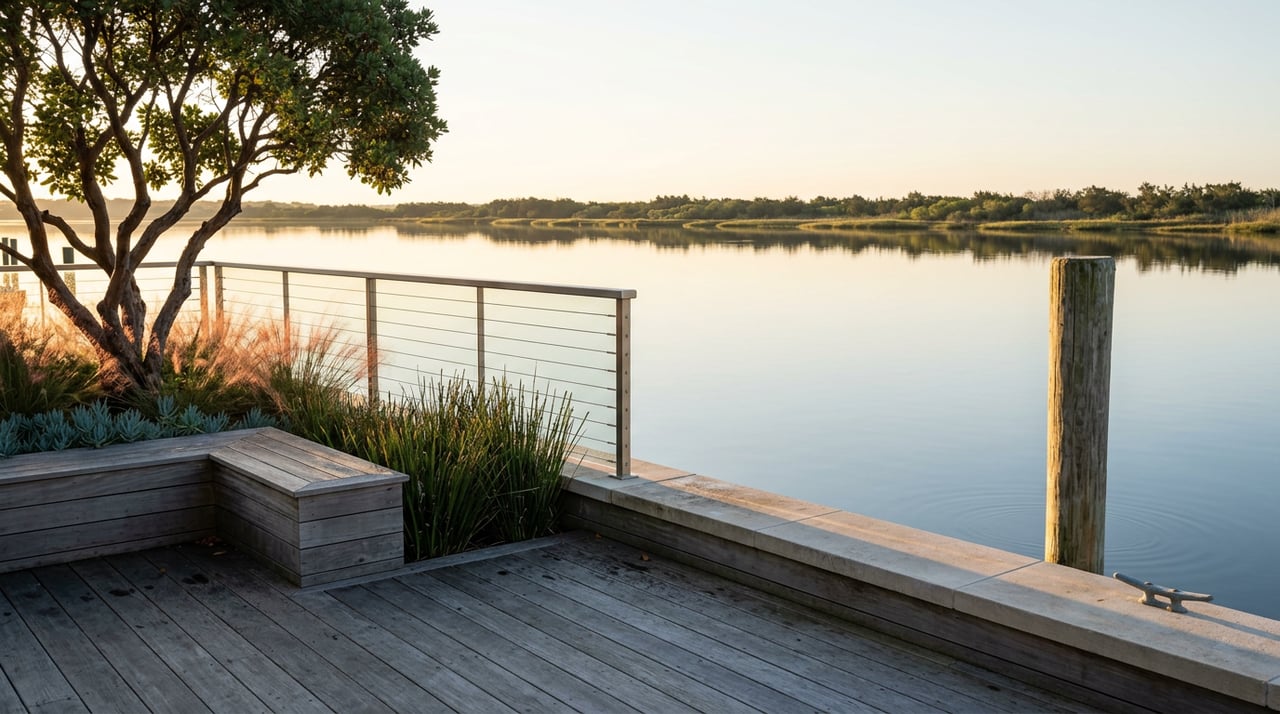
Push off from North Star Beach on a mid-August morning before the wind wakes up, and you'll catch the Back Bay in an odd, in-between mood. Black skimmers still work the mudflats the way they have all summer, low and fast, that oversized lower mandible slicing the water for silversides. But a few restless flocks of shorebirds are already testing the air over the tidal flats, arriving early, scouting the mudline before the main wave. Most people paddling past them this week have no idea they're watching a changeover in progress. The Back Bay doesn't have one bird season. It has a hinge, and the hinge is right now.
That distinction matters more than it sounds. Anyone who has kayaked Upper Newport Bay a few times has probably absorbed the general idea that winter brings more birds. What almost nobody clocks, because the guides who could tell you are only out there on weekend mornings, is that the transition itself is the best two weeks on the water all year. Not because the weather changes. Because for a short stretch in September, you get both casts on stage at once: the last of the season's nesters and the first of the season's migrants, sharing the same mudflats before one group heads north to breed and the other settles in for the winter.
What actually ends in September
Nesting season at Upper Newport Bay runs roughly March through September, and it is treated as an especially sensitive stretch for the estuary's rarer residents. The reserve protects several species that nest here and nowhere nearby in any real numbers: the light-footed clapper rail, the California least tern, Belding's savannah sparrow, and the black rail among them. That's not a technicality. It's the reason the Newport Bay Conservancy's rules page is blunt about where a paddler can and can't go. Boats and kayaks are barred from any side channel or water beyond the posted limit, landing on any island or shoreline is prohibited outright, and the whole reserve carries a five mile per hour speed limit for anything on the water. The site's own warning about the mudflats reads simply: "You can and will get stuck."
None of that is decorative. Wander into a side channel during nesting season and you're not just risking a grounded kayak, you're drifting into habitat that a clapper rail or a least tern is actively defending. By September, most of that pressure eases as chicks fledge and adults begin drifting back toward open water and eventually south. The bay doesn't post a sign announcing the shift. The birds do.
What starts arriving
Once nesting season loosens its grip, the bay's population doesn't quiet down. It reloads. Upper Newport Bay sits on the Pacific Flyway, and from fall through winter it becomes a working rest stop for birds funneling down from breeding grounds in Alaska and western Canada. Estimates on peak single-day counts vary depending on the source and the year, running anywhere from roughly 30,000 to 35,000 birds on the water at once during the heart of winter, but the pattern underneath the number is consistent: this is one of the last natural estuaries left on the Southern California coast, and with more than 90 percent of the state's historic wetlands filled in or developed, the Back Bay carries an outsized share of the load for migrating shorebirds that need somewhere to refuel.
What you actually see from a kayak flips almost completely. Summer's cast, the nesting skimmers and terns, gives way to western sandpipers moving in tight, twisting flocks over the mudflats, marbled godwits and long-billed curlews probing deep into the mud at low tide, and ducks and grebes riding the surface at high tide before drifting toward the freshwater ponds in the Big Canyon area to bathe. None of this is guesswork. It's the same tidal rhythm every day, twice, and it's why naturalists who run tours here talk about reading the tide chart before you read the calendar.
Here's how the transition breaks down if you're planning a paddle around it:
| Stretch | Who's out there | What to watch for |
|---|---|---|
| Through early September | Nesting skimmers, terns, protected species defending territory | Side channels closed to all watercraft, no shoreline landings |
| Mid to late September | Overlap window, departing nesters and early migrant scouts | The rare stretch where both casts share the mudflats |
| October through winter | Sandpipers, godwits, curlews, ducks, grebes from Alaska and Canada | Up to 30,000-plus birds on peak days, best low-tide viewing |
How locals actually get out there
You don't need your own kayak to see any of this up close. The Newport Bay Conservancy, the nonprofit that has run naturalist programs here since 1975 when the state first designated Upper Newport Bay an ecological reserve, runs guided kayak tours out of the Newport Aquatic Center at North Star Beach every Saturday, and select Sundays, from 10 a.m. to noon, weather permitting. A certified volunteer naturalist leads the group, covers basic paddling safety up front, and narrates the ecology as you go. Tours run $25 per person for ages eight and up, tandem kayaks are used for younger riders, and reservations go through the Conservancy's online booking system.
If you'd rather go on your own schedule, North Star Beach remains the free option, with parking and beach launch at no cost. Newport Dunes offers rentals and paid parking if you want equipment on demand. Launching off Back Bay Drive is free too, but only works at a fairly high tide, which is worth checking before you load the car. Paddlers who know the bay well tend to time their trip around the afternoon onshore breeze, which pushes up the bay through the day and calms by evening, so heading northeast into the wind in the afternoon and riding it back out in the evening tends to beat fighting a headwind on the return.
For a slower, dry-land version of the same story, the Peter & Mary Muth Interpretive Center sits tucked into the bluffs at 2301 University Drive, built with an earth-sheltered design that keeps it nearly invisible from street level until you're at the entrance. It's open Tuesday through Sunday and worth a stop before or after a paddle, especially if you want the ecology explained before you're the one holding a paddle and trying to remember which channel is off limits. Hikers and cyclists get their own version of the seasonal shift along the 10.5-mile Back Bay Loop, where the same turnover in bird activity is visible from the bluffs without ever touching the water.
Why the hinge is worth knowing about
Most guides to the Back Bay treat it as a single, static attraction, a nice place to paddle with good birdwatching. That flattens the thing that actually makes it interesting. The reserve runs on a schedule that has nothing to do with tourist season and everything to do with when a light-footed clapper rail is guarding a nest versus when a marbled godwit is refueling for the next leg of a flight from Alaska. Late summer into September is the one stretch when you can watch that handoff happen in real time, on the same stretch of mudflat, often on the same outgoing tide.
If you live near enough to the bay to make this a regular loop, worth building into your fall routine, or you're weighing whether a home closer to this water belongs in your next move, Kim Bibb has spent years working the waterfront neighborhoods that back up to this exact estuary and can talk through what living near the Back Bay actually looks like day to day, tide charts and all.