Torn between the Flower Streets and the hills above Corona del Mar? You are not alone. Both settings offer a distinct lifestyle, from front-porch living near coffee and boutiques to wide horizons from elevated terraces. In this guide, you will compare topography, views, walkability, lot types, architecture, permitting, and resale signals so you can choose with confidence. Let’s dive in.
Quick orientation: Village vs hills
The Village, often called the Flower Streets, is the compact grid of flower-named blocks on both sides of Pacific Coast Highway. It centers daily life around local shops, restaurants, and bluff paths. For a clear visual, explore the City’s detailed Corona del Mar Village map, which shows the grid, public beach access points, and amenities.
The hills include Harbor View Hills and the Cameo enclaves, plus adjacent upland pockets on the San Joaquin Hills. These neighborhoods are arranged along ridgelines and slopes to capture harbor and ocean views. The City’s Cameo Shores and Corona Highlands map outlines parcel patterns, gates, and coastal edges that define the area.
Topography and views
Elevation shapes your view and your everyday routine. The Village sits near sea level with modest rise toward the bluffs, generally around sea level up to roughly 80 to 100 feet in the core, according to topographic references such as TopoQuest’s Corona del Mar page and regional geologic mapping. The hillside neighborhoods step up the San Joaquin Hills with tens to a few hundred feet of relief above the beach, which is why you often see wide, stacked view corridors from these streets. The California Geological Survey’s regional hazard mapping confirms the dramatic local relief that distinguishes upland lots from the low-lying Village blocks (CGS hazard mapping for Anaheim–Newport Beach).
What does this mean for you? In the Village, you live close to the sand and bluff paths, with intimate streets and a pedestrian rhythm. In the hills, you trade a few extra minutes in the car for sweeping panoramas and more privacy.
Lots, yards, and daily living
Village lot patterns
Village parcels are generally rectangular and flatter, with short blocks and a denser street network that favors walking. You will commonly see a front patio, a compact backyard, and garages or short driveways accessed from the street. The Village map highlights how tight the grid is and why errands on foot are so realistic here.
Hillside lot patterns
Hillside parcels are more irregular and often sloped or terraced. Many homes solve grade changes with multi-level floor plans, garages on a lower level, retaining walls, and stepped outdoor spaces. Some streets are single loaded, with one side facing a slope and the other opening to view corridors, a pattern visible on the Cameo Shores and Corona Highlands map.
Practical implications
- Village homes tend to emphasize street-level living and front-porch energy. Outdoor space is typically more level and more connected to the main living areas.
- Hillside homes often feature rooftop decks or tiered terraces to capture views. Expect more stairs, more engineered yard elements, and driveways that can be steeper or single lane.
Walkability and access
If you want to park the car and live on foot, the Village is hard to beat. You can walk to the Saturday farmers market at PCH and Marguerite, cafes and restaurants along the highway, and bluff lookouts like Inspiration Point and the Goldenrod footbridge. The City’s Village map shows these paths and access points, and the regional market guide confirms the farmers market location.
In the hills, the same elevation that delivers big views usually adds a short drive for grocery runs, dining, and beach access. Parking patterns change too. Village blocks can see higher curb demand near beaches and in peak seasons, while hillside streets often provide multi-car garages but tighter guest parking due to slope and width constraints. The City’s coastal and Village maps are useful when planning guest visits and beach days.
Architecture and neighborhood vibe
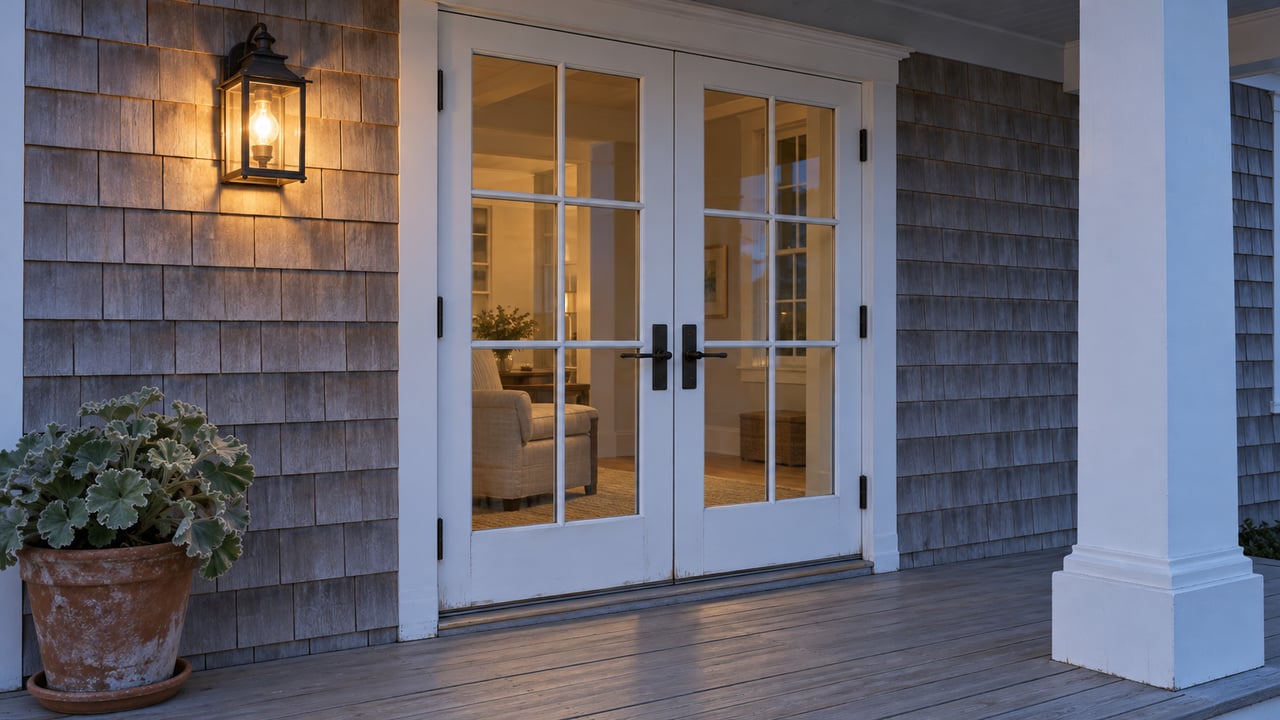
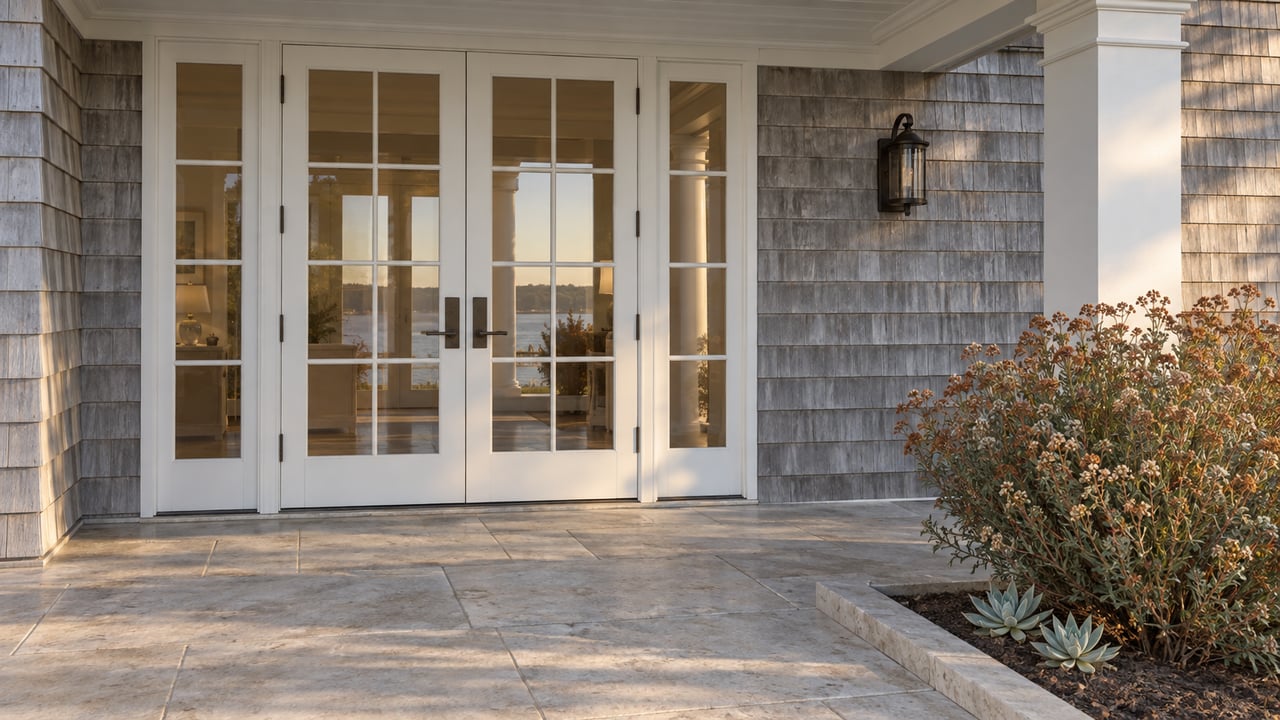
In the Village, you will find cottage-scale bungalows and mid-century cottages mixed with newer rebuilds that keep a pedestrian feel. The area’s character often blends small gardens, porches, and intimate sidewalks, as noted in overviews of Corona del Mar’s built history (Corona del Mar overview).
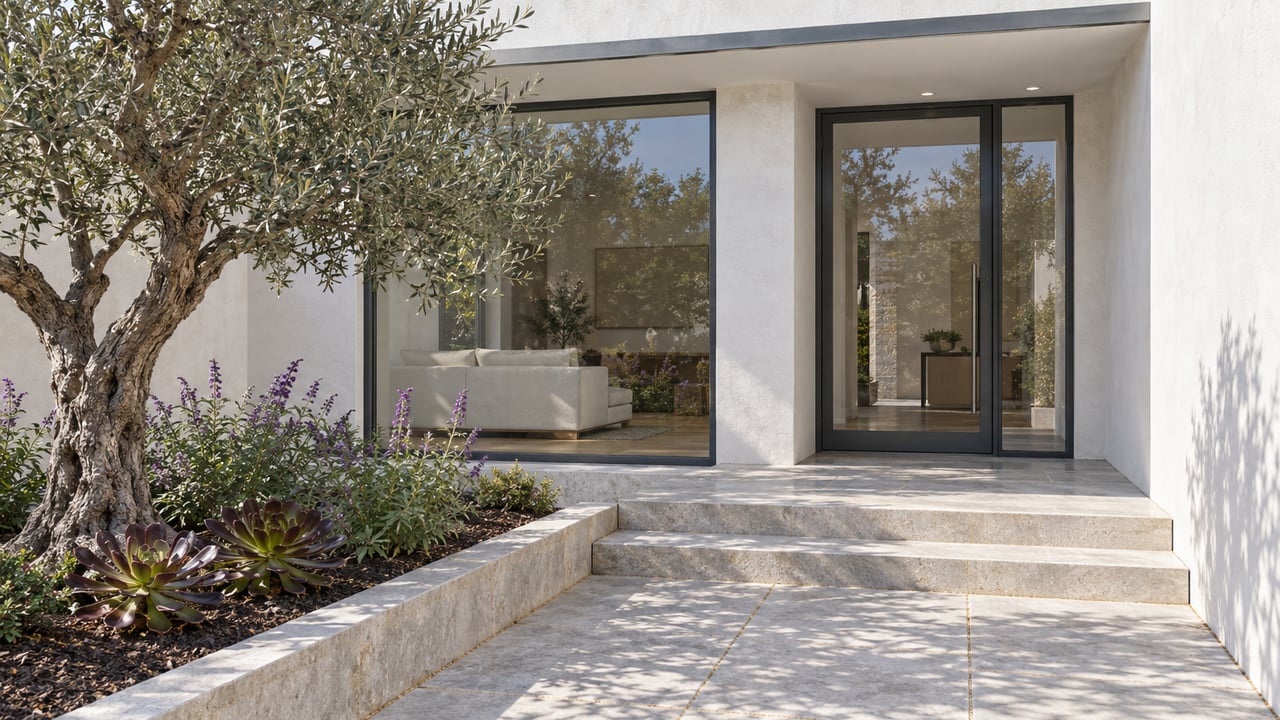
In the hills, homes are commonly larger and custom, with Mediterranean and contemporary coastal forms, large glazed walls, roof decks, and extensive terraces aimed at the horizon. Portions of the Cameo enclaves are gated and emphasize privacy, with some locations offering private beach access. You can see the layout and gates on the Cameo Shores and Corona Highlands map.
Permits, bluffs, and slope safety
If a property sits on or near a bluff edge, take permitting seriously. The California Coastal Commission has enforced rules in Corona del Mar related to bluff-top alterations and stairs to the beach. Before you buy, request the property’s Coastal Development Permit history and any related deed restrictions. A documented enforcement case offers useful context on how these rules work in practice (Coastal Commission report).
Newport Beach also regulates how close structures and retaining walls can sit to bluff edges. The municipal code and coastal overlay set methods and minimum setbacks for bluff-top development. Review the City’s bluff setback standards and ask for recent geotechnical reports when you evaluate any bluff or steep-slope parcel (Newport Beach bluff standards). Regional hazard mapping is another smart reference to understand slope context and local relief (CGS hazard mapping).
Resale signals to weigh
- Elevated homes with wide ocean or harbor panoramas often command premiums among buyers who prize views and privacy.
- Village addresses often compete strongly on walkability, direct beach access, and the ability to live a low-car routine.
- Pricing shifts with inventory and design quality. Rather than assume fixed ranges, compare current on-market and recent sales with a focus on view corridors, outdoor usability, and permit clarity.
Side-by-side cheat sheet
Choose the Village if you value:
- Short walks to dining, shops, and the farmers market.
- Street-level patios and small gardens connected to main living areas.
- A compact neighborhood rhythm close to the bluffs and beach.
Choose the hills if you value:
- Panoramic ocean and harbor views from elevated terraces.
- Larger custom homes, privacy, and gated pockets in select enclaves.
- Rooftop decks and multi-level layouts designed around the horizon.
Consider these tradeoffs:
- Village: more curbside parking demand and smaller garages on some blocks.
- Hills: more stairs, engineered yard elements, and short drives for errands.
What to ask on a tour
- Is the lot on a bluff or steep slope? Request parcel maps, a geotechnical report, and any Coastal Development Permits or recorded deed restrictions (Coastal Commission report).
- How many level outdoor areas exist and how are they connected? Front patio, backyard, terraces, and any rooftop decks should be easy to understand using parcel and topo references on the Cameo and Highlands map.
- What is the garage and driveway setup? Check for tandem parking, steep or narrow driveways, and guest parking limits. The Village map helps you preview curb patterns and coastal access.
- What are realistic walk times from the home to shops, the farmers market, and beach access? Confirm routes using the City’s Village map and the regional market guide.
- Has any bluff work or shoreline protection occurred? Ask for the complete permit history and any recorded conditions before drafting an offer (Coastal Commission report).
Which setting is right for you?
Start with your daily rhythm. If you picture morning walks to coffee, quick grocery runs on foot, and easy access to the bluffs, the Flower Streets may feel like home. If your vision centers on quiet sunsets from a rooftop deck and long horizon lines, the hillside neighborhoods could be the fit.
When you are ready to compare specific homes, a local, data-forward consult makes the decision clearer. If you would like discreet guidance on permits, view corridors, and outdoor usability, connect with Kim Bibb for a private conversation. Request a Confidential Home Valuation and a tailored shortlist of opportunities in 92625.
FAQs
What is the main lifestyle difference between CdM’s Village and the hills?
- The Village emphasizes walkability near shops and bluffs, while the hills trade short drives for elevated privacy and panoramic views.
How do lots and outdoor spaces differ in the hills vs the Village?
- Village lots are flatter with patio and garden spaces, while hillside lots are often sloped or terraced with more stairs and engineered elements.
Where is the Corona del Mar farmers market located if I live in the Village?
- It runs on Saturdays near PCH and Marguerite, an easy walk from many Flower Streets addresses, as noted in city and regional guides.
What permits matter for bluff-top or steep-slope properties in CdM?
- Review Coastal Development Permit history, municipal bluff setback standards, and recent geotechnical reports before moving forward.
Are some hillside neighborhoods gated and more private?
- Yes, select Cameo enclaves are gated and emphasize privacy, with some locations offering private beach access.
How should I plan for parking and guest access in each area?
- Expect higher curbside demand in the Village near beaches and tighter guest options on narrow hillside streets, so confirm garage and street setups in advance.