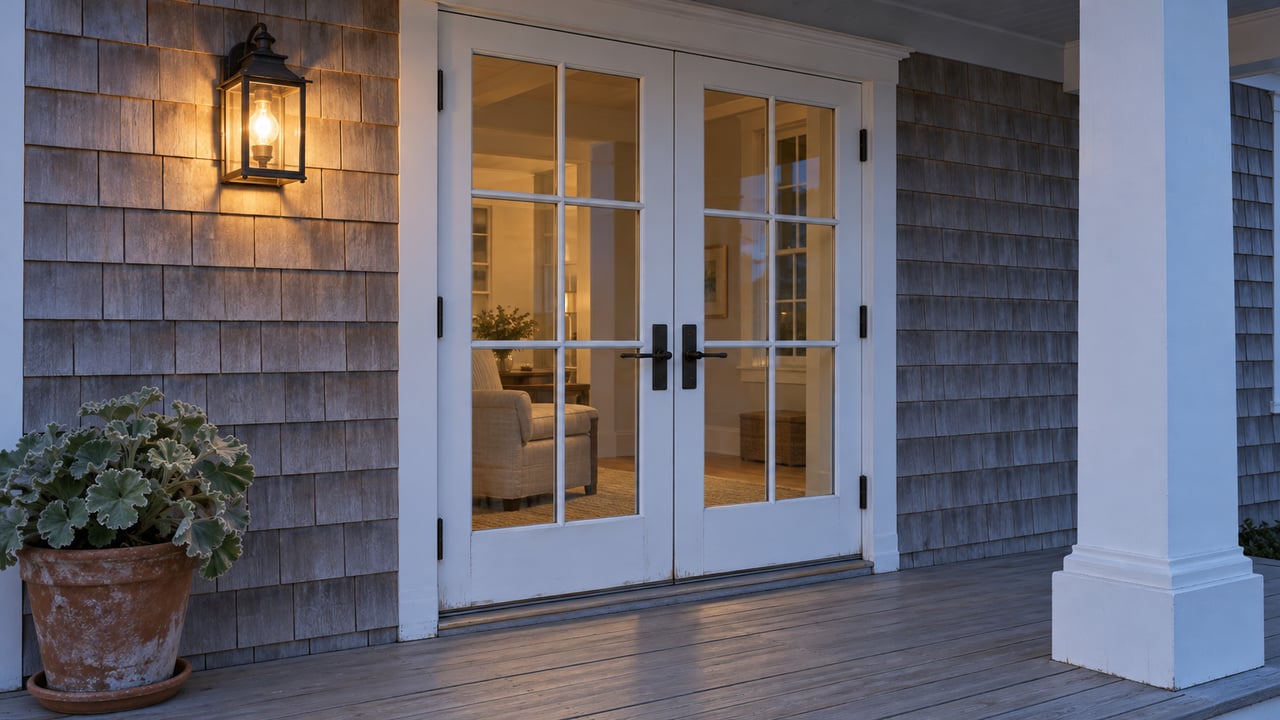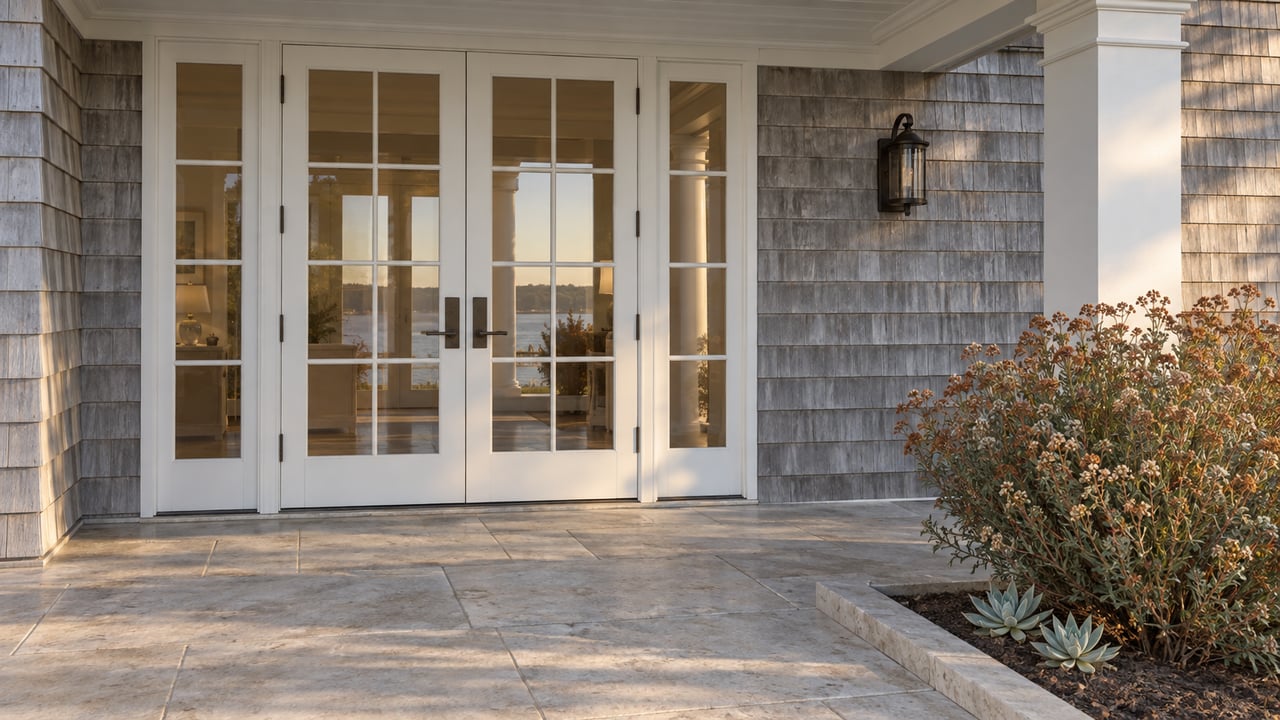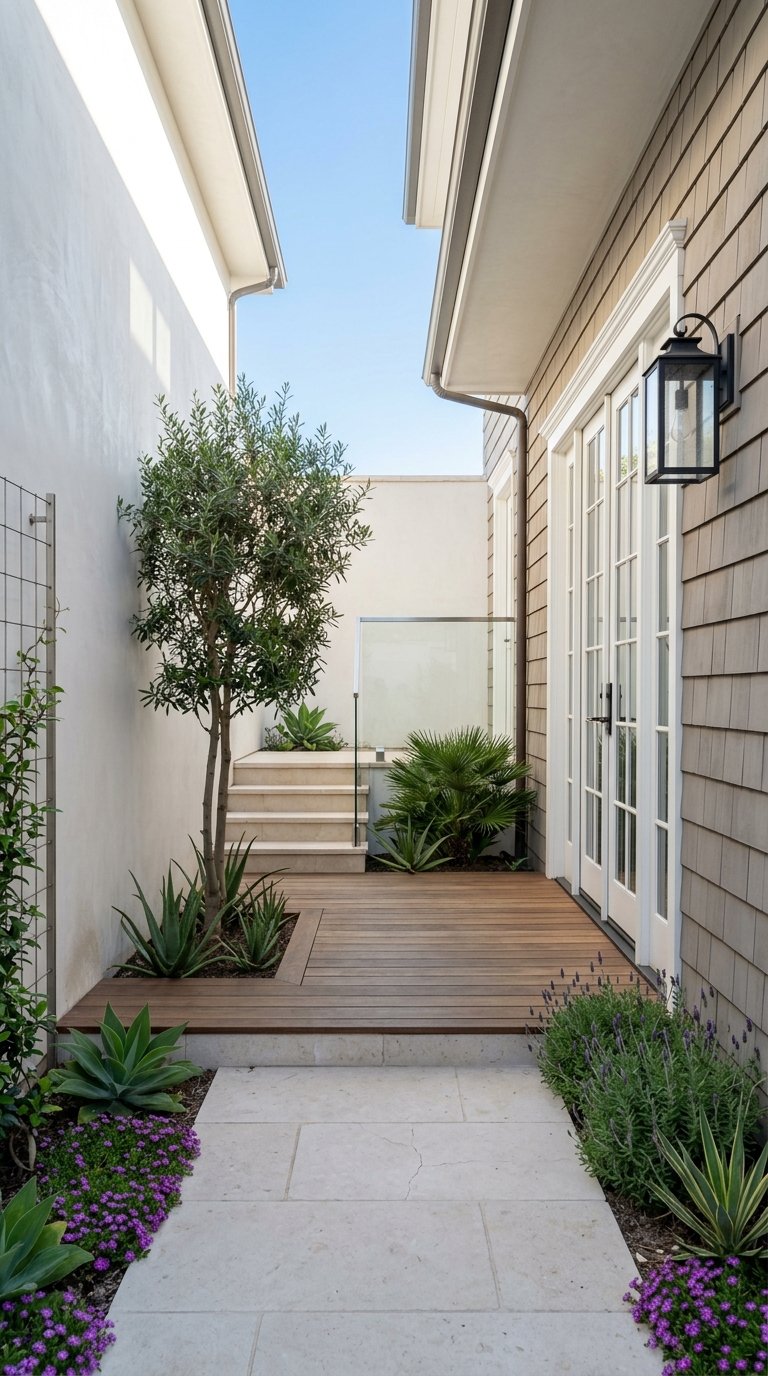
Selling a legacy oceanfront estate in Laguna Beach is rarely just about picking an asking price. You may be balancing family timelines, trust or probate questions, privacy concerns, coastal regulations, and the emotional weight of letting go of a property that has held years of memories. When the home sits on the water or near a bluff, those layers become even more important. This guide will help you think through the sale as a coordinated transition so you can prepare thoughtfully, protect value, and move forward with clarity. Let’s dive in.
Why legacy sales need a different plan
A legacy sale usually involves more than a standard listing timeline. You may be coordinating with family members, trustees, attorneys, CPAs, or other advisors while also deciding how much of the property’s story should be shared with the market.
For a Laguna Beach oceanfront estate, the process also sits inside a highly regulated coastal setting. The City of Laguna Beach notes that the Coastal Zone covers essentially all of the city except Sycamore Hills, and that most development within the zone requires a Coastal Development Permit unless specifically excluded or exempt. In addition, the city states that Blue Lagoon, Irvine Cove, and Three Arch Bay remain under California Coastal Commission jurisdiction through the permitting process. You can review that framework in the city’s Local Coastal Program overview.
That matters because even small pre-listing improvement decisions can affect timing. If you are thinking about repairs, exterior changes, shoreline-related work, or updates to a bluff-top property, it helps to understand the approval path before you commit to a launch date.
Start with records and ownership authority
Before photography, pricing, or marketing begins, one of the smartest first steps is a full records review. For many legacy properties, the highest-value questions come down to what was done, when it was done, and whether the supporting paperwork is easy to produce.
A practical file should include items such as:
- Prior permits and remodel approvals
- Contractor invoices and service history
- Engineering or geotechnical reports
- Shoreline-protection records, if applicable
- Documentation for additions, alterations, or deferred maintenance
- Trust, estate, or ownership documents that clarify who has authority to sell
This approach fits the city’s coastal permit framework, which can require substantial technical support for certain oceanfront properties. Laguna Beach’s Coastal Development Permit guidance explains that projects may require geologic and soils studies, slope-stability analysis, long-term bluff-retreat estimates, and wave-uprush reports that account for sea-level rise and major storm conditions. The same guide also notes that some applications involve public hearings and appeal windows, which can influence pre-listing timing. You can see those requirements in the city’s Coastal Development Permit guide.
If title is held in a trust or an estate, authority and timing deserve early attention. The Orange County Superior Court probate information page explains that probate is the court-supervised process used to transfer title from a decedent’s estate to beneficiaries, and that if court approval is required to sell real property, an attorney experienced in probate sales is strongly recommended.
Understand the coastal risk picture
Buyers for oceanfront estates often focus on views, frontage, and architectural quality first. Still, coastal risk documentation can shape both confidence and negotiations.
Laguna Beach’s local hazard materials state that all city beaches are at risk from sea-level rise and that coastal erosion continues to affect beaches and bluffs. The California Coastal Commission similarly notes that sea-level rise can worsen flooding, inundation, erosion, and landslide risk. These are not abstract planning issues. They are material factors that can influence due diligence, disclosures, and buyer questions.
For sellers, that means preparation should be factual and organized. If prior reports, maintenance records, drainage information, bluff-related studies, or shoreline history exist, gathering them early can reduce friction later.
Price timing matters too
Even for rare estates, broader market conditions provide useful context. According to the California Association of Realtors January 2026 sales report, Orange County’s median single-family sales price was $1.41 million, with 3.4 months of unsold inventory and a median time on market of 35 days.
Those numbers are county-wide, not specific to Laguna Beach oceanfront property. Still, they suggest a market that remains relatively constrained overall. In a legacy sale, that context can help frame timing decisions, especially if you are weighing whether to launch quickly, complete select preparation first, or test appetite through a more controlled exposure strategy.
Prepare the estate with restraint
For a property with a long history and exceptional setting, over-improving is not always the answer. Often, the goal is to present the estate clearly, document it well, and let the architecture, light, and views lead the conversation.
The National Association of Realtors 2025 staging report found that 83% of buyers’ agents said staging helped buyers visualize a property as a future home, 49% of sellers’ agents said staging reduced time on market, and 29% said staging led to a 1% to 10% increase in the dollar value offered.
For a legacy oceanfront estate, that data supports a restrained preparation strategy:
- Declutter and simplify visual distractions
- Refresh worn finishes where needed
- Organize maintenance and service records
- Address obvious faults before launch
- Keep the focus on scale, setting, and natural light
Laguna Beach planning materials also note that the city works to protect established views from vegetation. That means landscape decisions should be considered as part of the overall sale strategy, not just as a cosmetic add-on. You can review that broader planning context on the city’s Planning and Zoning page.
Disclosures should be proactive, not reactive
In California, seller disclosures are a core part of the process, not a final step. The California Department of Real Estate consumer guidance explains that seller disclosures can cover the physical condition of the property, hazards or defects, special taxes or assessments, and other factors that may materially affect value or desirability.
The same DRE guidance highlights issues especially relevant to coastal properties, including flood concerns, drainage, settling or soil problems, unpermitted changes, zoning violations, noise or nuisance issues, and known earthquake-zone location. The agent also has a duty to conduct a visual inspection and disclose readily observable defects.
For you as a seller, the practical takeaway is simple: gather facts early and present them clearly. A well-prepared disclosure package can support trust, reduce surprises, and help serious buyers move through diligence with greater confidence.
Plan for tax and transfer details early
Legacy sellers often focus on valuation and presentation first, but transfer mechanics can be just as important. In Orange County, a change in ownership typically triggers reassessment.
The Orange County Assessor’s buying or selling property guide states that property is valued each year as of January 1, that new owners may receive supplemental assessments when market value differs from the prior owner’s taxable value, and that a Preliminary Change of Ownership Report is required when a deed is recorded. The Assessor also states that failure to return a Change of Ownership Statement within 90 days can lead to a penalty of up to $5,000 for most residential properties.
If the property is a principal residence, the county also says sellers should terminate an existing homeowners’ exemption after they sell or move. That guidance is outlined on the Assessor’s Homeowners’ Exemption page.
These are administrative details, but they can affect closing coordination and post-sale planning. When a home has been in the family for many years, early coordination with your CPA or tax advisor can help prevent last-minute issues.
Privacy means control, not invisibility
For many legacy sellers, discretion is a top priority. That is especially true when the property is well known, architecturally significant, or tied to a family story.
Still, privacy planning should be realistic. California’s disclosure and recording systems create a paper trail, and the DRE’s professional responsibility guidance notes that selling agents must inform the buyer and seller in writing of the sale price within one month after closing. In other words, complete anonymity is difficult to guarantee.
A better goal is controlled exposure. In practice, that often means:
- Sequencing repairs and documentation before public marketing
- Limiting early access to qualified buyers
- Aligning communication among the listing agent, trustee or executor, attorney, CPA, title and escrow professionals, and any inspection or geotechnical consultants
- Building strong visual assets before the first showing request
That final point still matters even in a private launch. NAR’s staging research found that photos, videos, and virtual tours remain highly important to buyers’ agents, so discretion does not eliminate the need for polished presentation.
Treat the sale as a coordinated transition
The biggest mistake in a legacy sale is treating it like a standard listing with a premium price tag. In Laguna Beach, the stronger strategy is to see the sale as a coordinated transition with legal, tax, documentation, marketing, and timing pieces that all need to fit together.
When those elements are aligned early, you are in a better position to protect value, reduce friction, and control how the property is introduced to the market. That is especially important for oceanfront and bluff-adjacent estates, where permitting history, hazard documentation, and ownership authority can shape the entire transaction path.
If you are considering the sale of a high-value coastal property and want a discreet, well-managed process from the start, Kim Bibb offers a refined, confidential approach built around strategic planning, curated marketing, and white-glove representation.
FAQs
What makes a legacy sale different for a Laguna Beach oceanfront estate?
- A legacy sale often involves family decision-making, trust or probate coordination, privacy planning, and detailed property records, in addition to pricing and marketing.
Why do coastal permits matter before listing a Laguna Beach oceanfront home?
- Laguna Beach properties in the Coastal Zone may be subject to Coastal Development Permit rules, and some improvements can require technical studies, hearings, or appeal periods that affect timing.
What documents should you gather before selling a Laguna Beach bluff-top or oceanfront property?
- You should organize permits, remodel approvals, contractor invoices, engineering reports, shoreline or bluff-related records, maintenance history, and any documents showing legal authority to sell.
How do California disclosures affect a Laguna Beach coastal home sale?
- California sellers must disclose material facts about the property’s condition and known issues, and coastal homes may raise added questions about flooding, drainage, soil conditions, unpermitted work, or other hazards.
Can you sell a Laguna Beach legacy estate privately?
- You can often limit exposure and control access, but complete secrecy is difficult because California transactions involve disclosure and public recording requirements.
What tax details should sellers consider in an Orange County legacy property sale?
- A change in ownership typically triggers reassessment, transfer forms are required when deeds are recorded, and principal-residence exemptions may need to be terminated after a sale or move.